✕The site is incredible but the visitor infrastructure is patchy. Some areas lack clear signage, the Sigri museum is small for the scale of the wonder, and guided tours are not always available. Book ahead in peak season and manage expectations about the 'museum experience' — the real magic is outside, walking among the fossilised trunks.
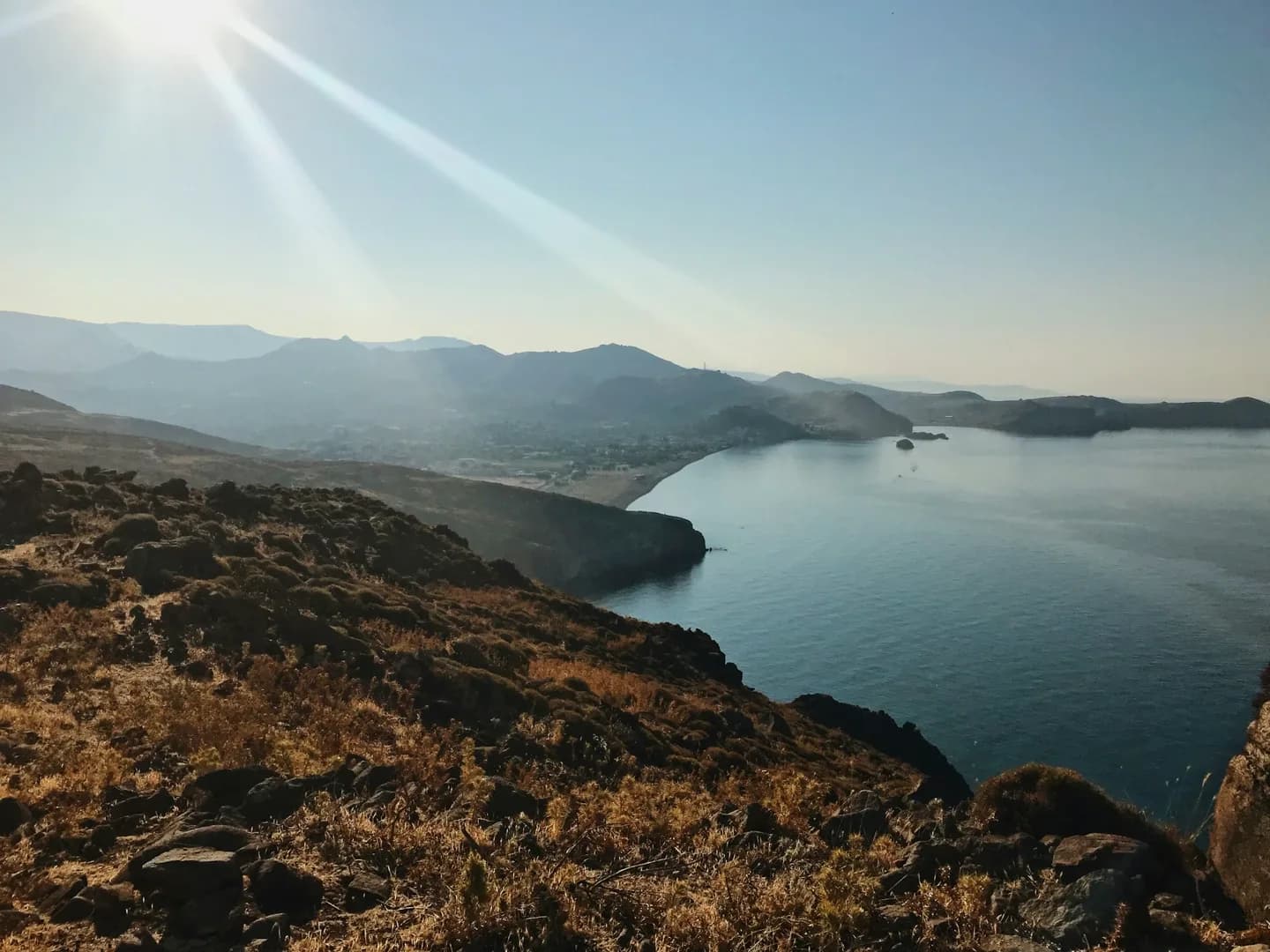
✕It's a stunning beach with a village feel, but it's remote and the road is not great. The beach has limited facilities and the tavernas close early. Don't expect Mykonos-level convenience — come prepared with water and snacks.
✕Lesvos has fewer ferry routes than Mykonos or Santorini. From Piraeus, it's 8-12 hours by conventional ferry. Book well ahead in summer and consider flying from Athens if time is tight. Internal island buses exist but are infrequent.
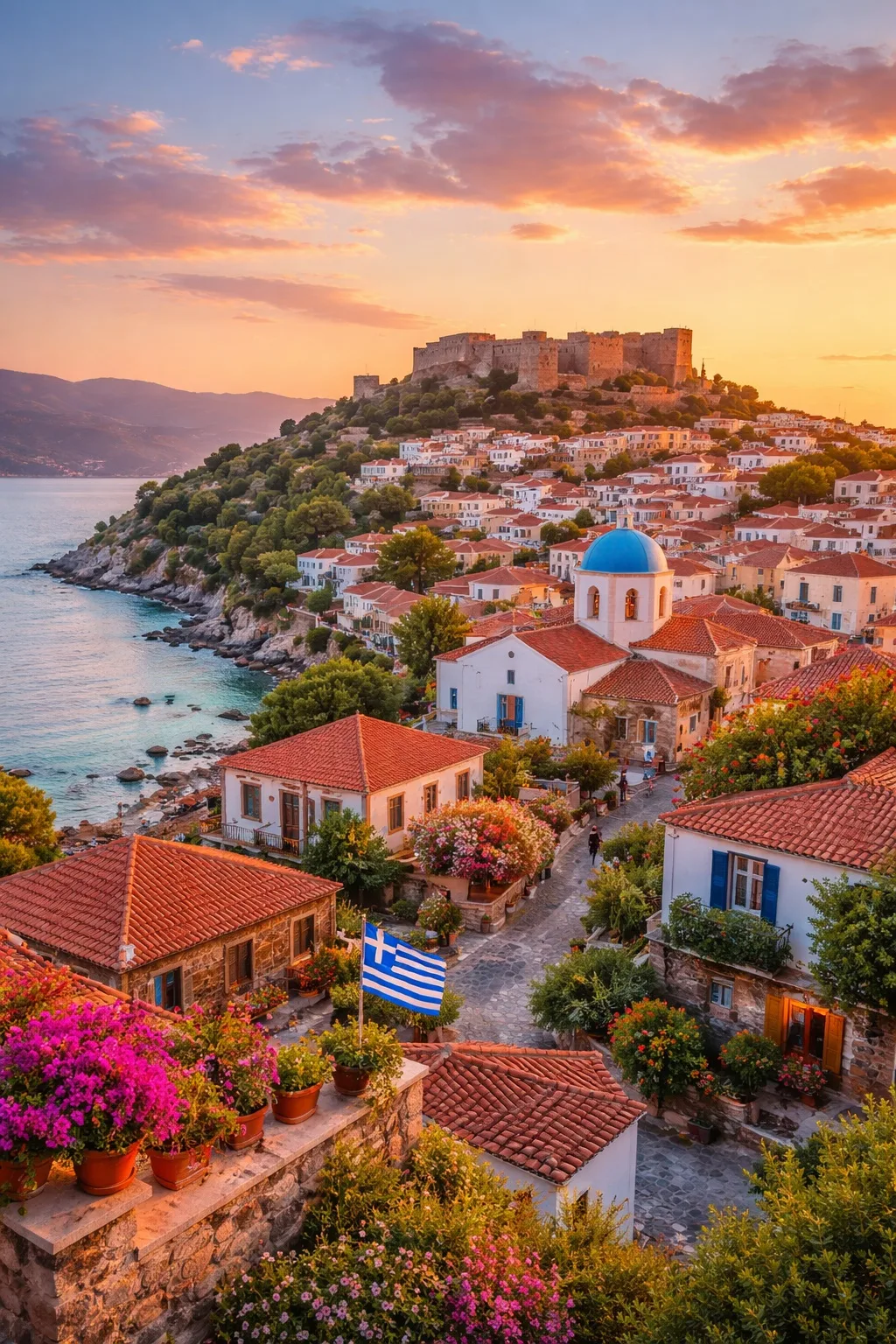
✕Mytilene is the capital (with the castle, university, and best food scene). Molivos is the tourist village with the harbour charm. They serve different purposes — don't assume one代替 the other. Most visitors should base in Mytilene for the full experience.
✕Lesvos has more olive trees than people and produces some of Greece's finest oil. Yet most visitors skip the olive press museums entirely. The Perry Museum in Agia Paraskevi and the press at Tzami are worth 2-3 hours of your day.
💡 What nobody tells you: The real Lesvos is in the villages between Mytilene and Plomari, where the ouzo distilleries still operate with original equipment and the tavernas serve food you won't find anywhere else in Greece. Drive the mountain road from Mytilene to Agiassos, stopping at every village that has a church with an open door.