Greece Island Hopping: Routes, Tips & How to Plan It
Travel Guide

Greece Island Hopping: Routes, Tips & How to Plan It

Plan your Greece island hopping trip with real routes, ferry tips, best combinations and practical advice for first-timers and returning travellers.

Overview

Island hopping in Greece is one of the classic European travel experiences — moving between islands by ferry, waking up somewhere new every few days, and building a trip that feels like a journey rather than a single destination. Done well, it is extraordinary. Done poorly — with too many stops, rushed connections and not enough time anywhere — it can be tiring and expensive. This guide explains how to plan a realistic island hopping trip, which routes work best for different travel styles, and the practical details that make the difference between a smooth hop and a stressful one.

1

1. What Is Island Hopping and Is It Right for You?

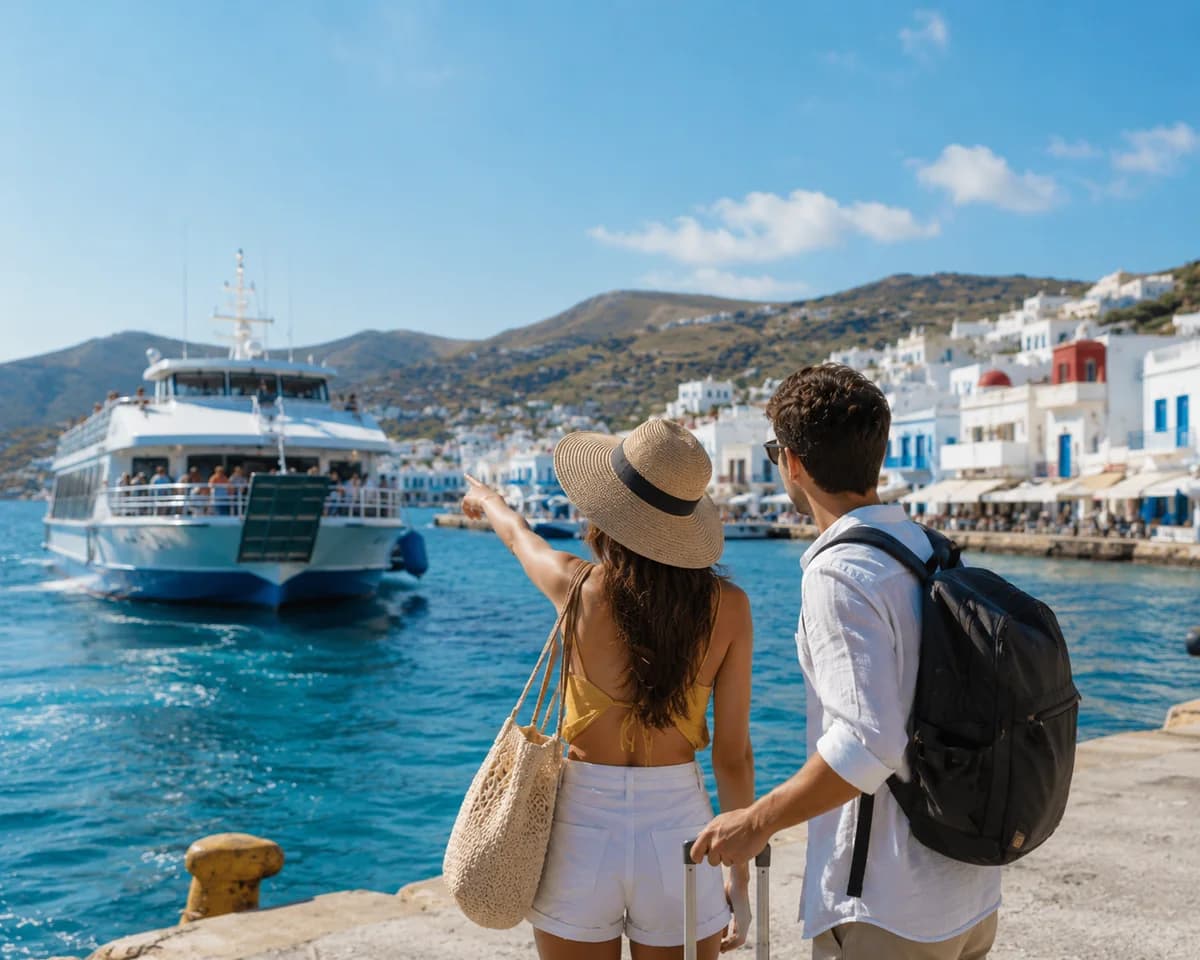
Island hopping means travelling between multiple Greek islands by ferry — sometimes staying two or three nights on each island, sometimes a full week on one with a day trip to a nearby neighbour. The appeal is real: each island in Greece has a distinct character, landscape and atmosphere. Moving between them feels genuinely exploratory. But island hopping also requires planning and flexibility. Ferry delays happen. Some routes require early morning sailings. Island hopping is ideal for: travellers with 10 or more days who want variety; those who want to experience the Cyclades or Ionian islands in depth; people comfortable with moving accommodation every few days. It is less ideal for: families with very young children; travellers with fewer than 7 days; anyone who prefers unpacking once and staying put.

2

2. Understanding the Island Groups

Greece has several distinct island clusters. Inter-group connections are limited — islands within a group connect well, but mixing groups requires going through Athens or flying. The Cyclades: The most popular island hopping destination. Mykonos, Paros, Naxos, Santorini, Ios, Milos, Folegandros. Connect frequently and reliably in summer. The Ionian Islands: Corfu, Kefalonia, Zakynthos, Lefkada, Ithaca. Greener, calmer, less trafficked. Excellent for road-trip island hopping with a car. The Dodecanese: Rhodes, Kos, Patmos, Symi, Halki, Kalymnos. Some of the most beautiful and less touristed island hopping. The Saronic Islands: Aegina, Hydra, Poros, Spetses. Closest to Athens, reachable in 1–2 hours. The Northern Aegean: Lesvos, Samos, Chios, Ikaria. Larger, less polished, for travellers seeking authenticity.

3

3. The Best Island Hopping Routes

Route 1: Classic Cyclades (7–10 days): Athens → Mykonos → Paros → Naxos → Santorini → Athens. The most travelled route, and it works. Each island is distinct. Ferries connect in 30 min to 2 hours. Route 2: Less Touristy Cyclades (7–10 days): Athens → Sifnos → Folegandros → Milos → Antiparos/Paros → Athens. For independent travellers. Connections are less frequent. Route 3: Ionian Islands by Ferry and Car (7–10 days): Patras → Kefalonia → Ithaca → Lefkada → Corfu. Works best with a rental car. Stunning natural scenery. Route 4: Dodecanese Deep Dive (10–14 days): Rhodes → Symi → Tilos → Kos → Patmos → Leros. Historically rich, architecturally distinctive, significantly less crowded than the Cyclades. Route 5: Short Cyclades Hop (5–7 days): Athens → Paros → Naxos → Amorgos → Athens. The Cyclades experience without the Santorini/Mykonos crowds.

4

4. Practical Ferry Tips

Book ferries in advance for peak summer (July–August). The most convenient departure times fill up early. Book core connections two to four weeks ahead. Use Ferryscanner, Ferryhopper or the ferry company apps directly (Blue Star Ferries, SeaJets) to check routes and prices. Understand ticket classes: Deck class (cheapest, fine for short routes), Salon class (indoor seating), Cabins (private rooms, ideal for overnight crossings). Fast ferries vs conventional ferries: Catamarans cut journey times but are more expensive and more affected by rough seas. Conventional ferries are slower, larger, more stable. Check ferry ports carefully: Athens has Piraeus (for Aegean islands) and Rafina (for northern Cyclades — closer to the airport). Arriving at the wrong port is a stressful mistake. Build buffer time: Allow at least two to three hours between a ferry arrival and your next connection.

5

5. How Many Islands Per Week?

Two to three islands in seven days is the realistic sweet spot for a first island hopping trip. This allows two to three nights minimum per island, which is enough to actually feel somewhere rather than just pass through. Four or five islands in a week is possible but usually leaves people feeling they saw everything and experienced nothing. A useful rule of thumb: if you are spending more than half your days arriving, loading luggage, finding your accommodation and recovering from travel, your itinerary is probably too ambitious.

6

6. What to Pack for Island Hopping

Pack light — a medium backpack or a carry-on-sized rolling bag. Moving between accommodation with a large heavy suitcase on ferry gangways and cobblestone streets is not enjoyable. Key items: Quick-dry swimwear, reef shoes, a light cover-up for churches, sun protection (sunscreen, hat, sunglasses), reusable water bottle, offline maps downloaded to your phone, a small day bag for beach excursions.

7

7. Best Time to Go Island Hopping

June and September are the best months. Ferries run on full summer schedules, the sea is warm, weather is reliable and islands are less crowded than July–August. Prices are lower too. July and August offer maximum ferry frequency and peak energy but also highest prices and fullest ferries. May is emerging as an excellent month — ferries are running, weather is pleasant, islands are very quiet. October onward: Ferry schedules reduce significantly. Island hopping is still possible on main routes but requires more careful planning.