Evia
Mainland escapes

Evia

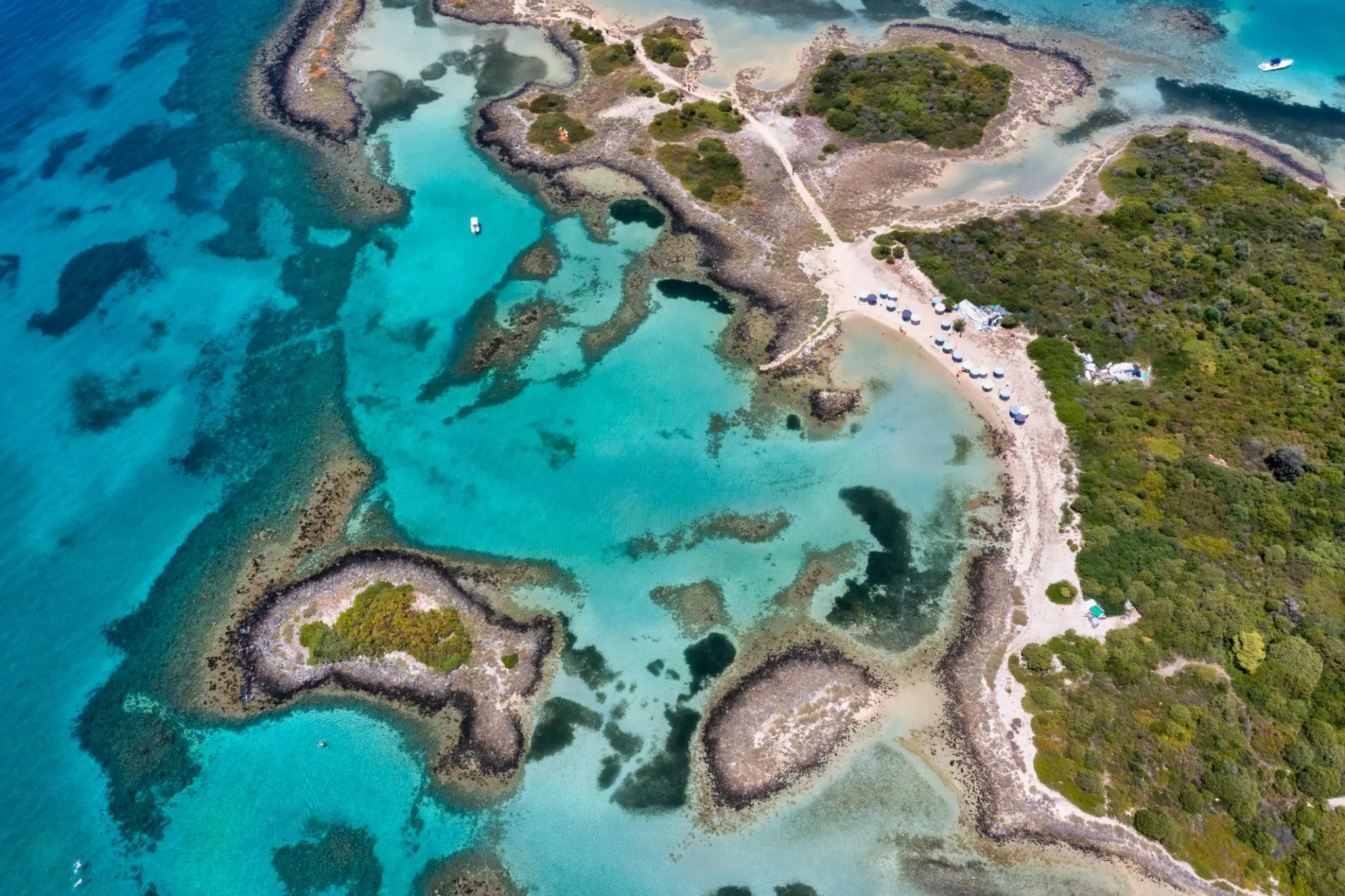
Evia (Euboea) is one of Greece’s most underestimated destinations. Connected to mainland Greece by bridges, it feels like a hybrid between an island and a continental escape: wild mountains, deep forests, thermal springs, untouched beaches, and traditional villages that have not been reshaped by mass tourism.

Edipsos thermal springs

Mount Dirfys hiking

Diverse coastlines

Travel Guide

Where to Stay in Evia

Destination Overview

Evia

Evia (Euboea) is one of Greece's most underestimated destinations. Despite being the second-largest island in the country, it remains off the mainstream tourist radar. Connected to mainland Greece by bridges, it feels like a hybrid between an island and a continental escape: wild mountains, deep forests, thermal springs, untouched beaches, and traditional villages that have not been reshaped by mass tourism. Unlike the Cyclades, Evia is not about polished luxury or curated postcard perfection. It is raw, diverse, and surprisingly large. This guide covers everything you need to plan a full trip: beaches, towns, nature experiences, food, routes, and practical travel advice.

Evia

Why visit Evia

1

Incredible diversity in a single island

Evia is not one destination but several. In the north you will find dense pine forests, waterfalls, and therapeutic hot springs. Central Evia offers rugged mountains, traditional stone villages, and the unique tidal phenomenon of the Euripus Strait in Chalkida. The south is arid and dramatic, with Cycladic-style landscapes, hidden coves, and the breathtaking Dimosari Gorge. You can drive from alpine scenery to turquoise Aegean beaches in under an hour.

2

Thermal springs with a 2,000-year history

The thermal springs of Edipsos have been attracting visitors since Roman times. Famous figures like Marcus Aurelius, Winston Churchill, and Aristotle Onassis have soaked in these waters. The mineral-rich springs emerge at temperatures up to 80°C, and in some places the hot water flows directly into the sea, creating natural open-air spas. It remains one of Greece's most significant wellness destinations.

3

Authentic, untouristed character

Despite being the second-largest island in Greece and just an hour from Athens, Evia remains refreshingly free of mass tourism. The villages are genuine, the tavernas serve food for locals, and the beaches offer space even in summer. This is where Athenians escape for the weekend, yet it still feels undiscovered.

4

Easy access from Athens

Evia is one of the easiest 'island' escapes from Athens. You cross the bridge at Chalkida and you are there — no ferries required for the central and northern parts. This makes it perfect for weekend trips, spontaneous getaways, or combining with an Athens holiday without the complexity of ferry schedules.

Evia

Best time to go (and when to avoid)

💡 Secret: Evia is a year-round destination. The thermal springs make winter visits worthwhile, while spring and autumn offer the best balance of weather and crowds.

May–June

Ideal weather for hiking and outdoor exploration. The landscape is lush and green, especially in the north. The sea is warm enough for swimming by June. Low crowds and reasonable prices.

July–August

Peak season with hot weather and busy beaches. The popular spots near Chalkida and Agia Anna can get crowded on weekends. If you visit now, explore the less accessible beaches in the south for more space.

September–October

Many consider this the best period. The sea is at its warmest from the summer heat, the crowds have thinned, and the autumn light is beautiful. Perfect for combining swimming with mountain exploration.

November–April

Quiet season perfect for thermal springs, hiking, and exploring mountain villages. Many coastal businesses close, but the spas in Edipsos operate year-round. Skiing on Mount Dirfys is possible in winter.

Evia

How to get to Evia

By car (recommended)

From Athens, drive to Chalkida via the national road (approximately 1–1.5 hours). The bridge is free and operates 24/7. For northern Evia, you can take the ferry from Arkitsa to Edipsos. For southern Evia, ferries from Agia Marina to Styra or Rafina to Marmari save driving time.

By bus

KTEL buses run from Athens to Chalkida regularly (every 30–60 minutes). From Chalkida, local buses connect to major towns but service is limited, especially for reaching remote beaches and mountain villages.

Getting around

A car is essential for exploring Evia properly. The island is large (over 180km long) and public transport cannot reach the best beaches and mountain villages. Rent a car in Athens or Chalkida.

Evia

Top attractions & experiences

1

Edipsos thermal springs

The thermal springs of Edipsos are the most famous in Greece. Natural hot water emerges at temperatures up to 80°C, rich in minerals. You can experience them in organized spa hotels or in natural seaside pools where hot water mixes with the sea. The waterfront is lined with cafes and restaurants, making it a complete wellness destination.

2

Hike the Dimosari Gorge

One of the most beautiful hikes in Greece, the Dimosari Gorge descends from the high plateaus of Mount Ochi down to the Aegean Sea at Kallianos beach. The trail passes through lush vegetation, waterfalls, and dramatic rock formations. It takes approximately 3–4 hours and ends with a swim in crystal-clear waters.

3

Mount Dirfys hiking

The highest mountain in Evia (1,743m) offers challenging hiking trails through dense fir forests with panoramic views of the Aegean and the Euboean Gulf. The village of Steni Dirfyos is the traditional starting point, with mountain refuges and tavernas serving hearty local food.

4

Chalkida tidal phenomenon

The Euripus Strait in Chalkida has one of the most unique tidal phenomena in the world — the current changes direction multiple times a day, and the water literally flows in different directions at different depths. The old bridge is the best spot to observe this, and the waterfront cafes make for a perfect evening out.

5

The Dragon Houses of Mount Ochi

Mysterious megalithic structures built from massive stone slabs without mortar, dating back to prehistoric times. The best-preserved is on the summit of Mount Ochi near Karystos. Their purpose remains unknown — theories range from ancient temples to shelters. The hike to reach them is rewarded with spectacular views.

Evia

Beaches in Evia

💡 Secret: The best beaches require effort. The southern coast has dozens of unnamed coves accessible only by dirt roads or short hikes — these are where you will find true solitude even in August.

Chiliadou Beach

One of the most famous beaches in Evia, surrounded by dramatic cliffs and lush greenery. The water is crystal clear and deep, making it perfect for snorkeling. Partly organized with a beach bar, partly wild. Popular with alternative travelers.

Agia Anna Beach

A long sandy beach ideal for families with organized beach bars and calm waters. Easy access and plenty of amenities make it one of the most popular summer destinations on the island. Gets crowded in August.

Pefki Beach

Located in northern Evia, Pefki is a long sandy beach with pine trees reaching almost to the shoreline. Relaxed atmosphere, good tavernas nearby, and family-friendly environment. One of the best beaches in the north.

Southern hidden coves

The south coast between Karystos and Marmari is dotted with semi-hidden beaches accessible via dirt roads or short hikes. These offer the most authentic beach experience in Evia — turquoise waters, pebble shores, and absolute quiet. Bring your own supplies as most have no facilities.

Evia

Food & local products

💡 Secret: The mountain villages in central Evia serve some of the best traditional food on the island. Look for tavernas in Steni, Kymi, and the villages around Dirfys for authentic, slow-cooked meals.

Figs of Taxiarchis

The figs grown in the village of Taxiarchis are renowned throughout Greece for their exceptional sweetness and quality. The local climate and soil produce a fig with a unique texture and flavour. Try them fresh in late summer or dried year-round.

Mountain honey

Evia's diverse flora produces exceptional honey, particularly thyme honey and pine honey from the forests of the north. The mountain villages sell local honey that is pure, aromatic, and completely different from commercial varieties.

Fresh seafood

Coastal tavernas serve fresh fish and seafood caught daily in the Aegean. The northern coast near Edipsos and the eastern coast around Kymi are particularly good for seafood. Try the grilled octopus, barbounia (red mullet), and local shellfish.

Local cheese & pies

Evia produces excellent local cheeses, including a soft white cheese similar to feta but with its own character. Handmade pies with local greens (horta), cheese, and mountain herbs are a staple of village tavernas. Simple, traditional, and incredibly flavorful.

Evia

Practical tips

Rent a car

This is the single most important tip for Evia. Public transport is limited and cannot reach the best beaches and mountain villages. A car gives you the freedom to explore at your own pace.

Bring cash

Remote villages and small tavernas often do not accept cards. ATMs are available in larger towns like Chalkida, Edipsos, and Kymi, but can be scarce in the mountains and south.

Mobile signal drops in mountains

Once you head into the mountains of central and northern Evia, mobile coverage becomes unreliable. Download maps offline and let someone know your route if hiking.

Book accommodation early in August

While Evia is less crowded than the Cyclades, August is still peak season for Greeks. Popular areas like Agia Anna and Edipsos fill up, so book ahead if visiting in high summer.

Expect long driving distances

Evia is 180km long with winding mountain roads. Driving from Chalkida to Edipsos takes about 2 hours, and to Karystos about 2.5 hours. Plan your itinerary realistically.

Evia

FAQ — Evia Essentials

Is Evia worth visiting?

Absolutely. Evia offers more variety than most Greek islands — mountains, forests, thermal springs, diverse beaches, and authentic villages — all with fewer crowds and lower prices than the Cyclades.

Is Evia expensive?

Generally cheaper than the Cyclades or Crete. Accommodation, food, and activities are reasonably priced. Edipsos spas can be more expensive but still offer good value compared to international wellness destinations.

Do I need a car?

Yes. Public transport is very limited for reaching the best beaches and mountain villages. A rental car is essential for a proper Evia experience.

Is Evia good for families?

Yes, especially Agia Anna and Pefki areas which have organized beaches and family-friendly accommodation. The easy access from Athens without a ferry makes it convenient for families with young children.

Can I combine Evia with Athens?

Easily. It is one of the closest escapes from Athens — just a 1-hour drive to Chalkida. Perfect for a 3-5 day side trip or weekend getaway during a longer Athens stay.

How long should I stay?

Minimum 3 days for one region, ideally 5-7 days to explore the island properly. Focus on one area rather than rushing across the entire island.