Kefalonia Wine Tour 2026: The Ultimate Robola Guide
Travel Guide

Kefalonia Wine Tour 2026: The Ultimate Robola Guide

Discover the best Kefalonia wine tour experiences in 2026. Explore Robola PDO, top wineries, wine tastings, the best time to visit, and food pairings.

Overview

Kefalonia is one of Greece's most distinctive wine destinations, yet it remains less crowded than the country's better-known wine regions. For travellers who want a wine experience that feels authentic, scenic, and deeply connected to place, the island offers an ideal combination of local varieties, family-run wineries, and striking landscapes. At the heart of Kefalonia's wine identity is Robola, the island's signature white wine. Grown mainly on the limestone slopes of Mount Ainos and the Omala plateau, Robola reflects the island's rugged terrain and cool mountain microclimate. A wine tour in Kefalonia is therefore not just a tasting experience, but a chance to understand the island through its land, its people, and its traditions.

1

Why Kefalonia Is a Wine Destination

Kefalonia is best known for its beaches, but its wine culture deserves equal attention. The island has a long history of viticulture, with native grape varieties that have survived because of the island's terrain, climate, and the dedication of local growers.

What makes Kefalonia especially interesting for wine travellers is the close link between landscape and production. Vineyards are often small, family-managed, and located in areas where soils are poor, stony, and well drained. That combination typically produces wines with strong character, good acidity, and clear regional identity.

2

Robola PDO: The Signature Wine of Kefalonia

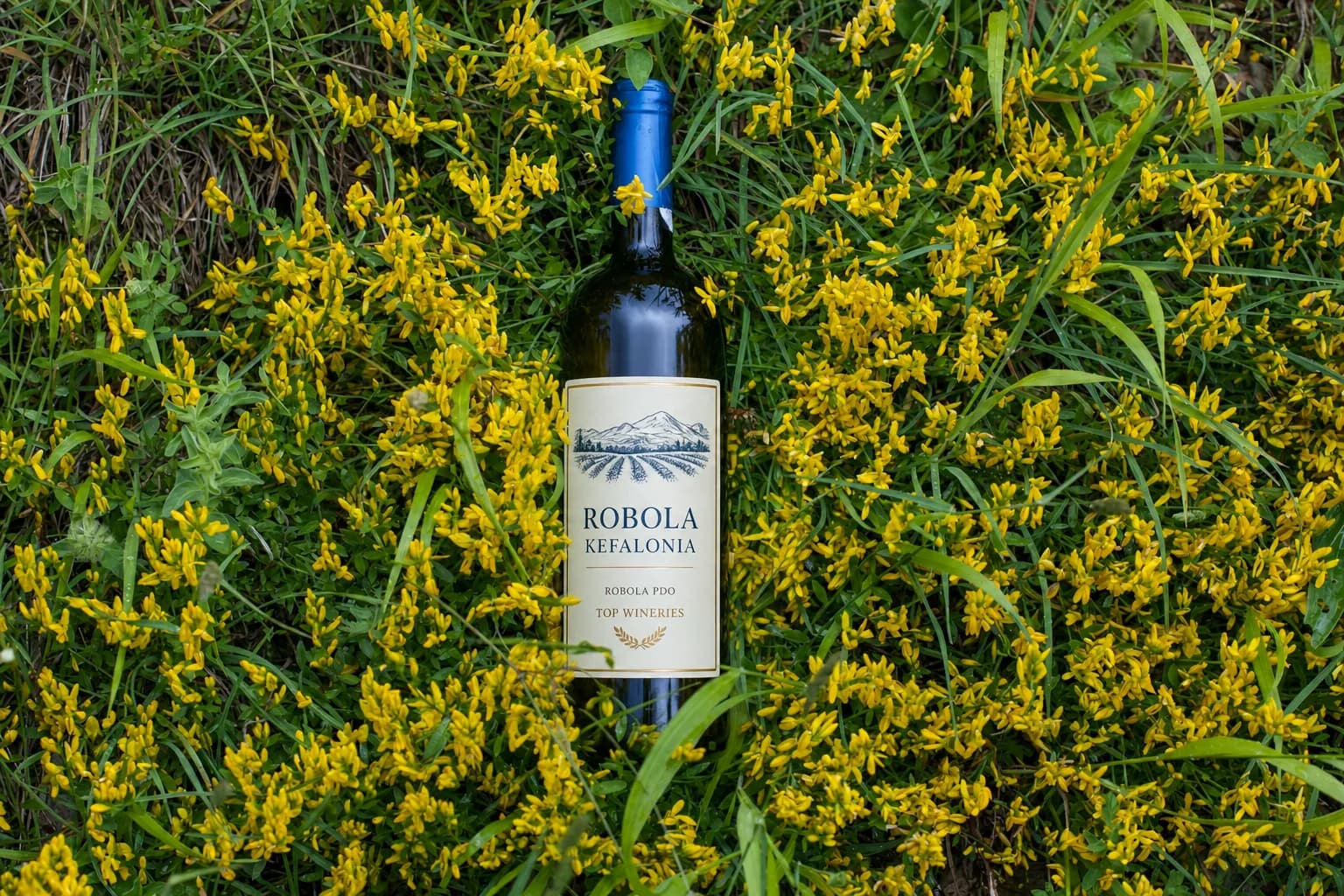
Robola is the most important wine variety on the island and one of the clearest expressions of Kefalonia's terroir. It is a dry white wine with fresh acidity, citrus-driven aromas, and a subtle mineral profile that reflects the limestone soils where it is grown.

The Robola PDO zone is centred on the slopes of Mount Ainos and the Omala plateau. The vineyards sit at relatively high altitude, which helps preserve freshness in the grapes and gives the wine its lively structure. This is one of the reasons Robola stands out among Greek white wines.

In the glass, Robola usually shows notes of lemon, grapefruit, white flowers, herbs, and a clean, dry finish. It pairs especially well with fish, shellfish, local pies, and fresh cheeses.

3

Top Wineries to Visit

Kefalonia's wineries range from polished, tour-ready estates to small family operations where the winemaker is also your host. Here are the most notable ones:

Gentilini Winery & Vineyards — One of the best-known wineries on the island and a strong first stop for visitors who want a polished and well-organised tasting experience. The estate is known for quality-focused production and careful vineyard work. Visitors can expect a guided tasting, a look at the winery facilities, and a chance to sample Robola alongside other estate wines.

Divino Wines & Vinegar — A more relaxed and atmospheric experience with a strong connection to local tradition. In addition to wine, the estate is also known for vinegar production and for a tasting experience that feels personal and varied. A good stop for visitors who want to explore beyond a standard winery visit.

Sclavos Wines — One of the most interesting estates for travellers who enjoy natural, biodynamic, or low-intervention wines. The winery has built a strong reputation for working with indigenous varieties and expressing the island's character in a more unconventional way. The best choice for wine enthusiasts who want something adventurous and terroir-driven.

Orealios Gaea — The cooperative at the centre of the Robola PDO zone and one of the most important places to understand the wine's identity. For anyone who wants a broader picture of Robola production, this is an essential stop. The experience is more educational than boutique, but that is also its strength — it gives visitors a direct view of the collective tradition behind the island's signature wine.

4

Best Wine Tour Experiences

Kefalonia offers a range of wine tour formats, from short tastings to full-day island itineraries. Some tours focus mainly on Robola and local wineries, while others combine wine with caves, scenic viewpoints, and traditional villages.

If you prefer flexibility, a self-guided route can work well, especially if you have a car. A route linking Argostoli, Omala, and the southern or western wineries can make for an excellent half-day or full-day wine itinerary.

For travellers who want convenience, organised tours are often the better option. They usually include transport, a guide, and a balanced mix of tasting and sightseeing. Check local tour operators in Argostoli or your hotel for recommendations.

5

The Kefalonian Terroir

Robola's quality comes from the island's natural conditions as much as from the grape itself. The limestone soils of the Robola zone are dry, stony, and low in fertility, which encourages low yields and concentrated fruit.

Altitude also matters. Cooler nights at higher elevations help preserve acidity and aromatic freshness, while the island's wind and exposure reduce disease pressure in the vineyards. Together, these factors create a wine style that feels crisp, structured, and unmistakably local.

The combination of mountain and sea — the Ainos massif rising directly from the Ionian Sea — gives Kefalonia's wines a mineral salinity that distinguishes them from other Greek white wines.

6

When to Visit

The best time for a wine tour in Kefalonia depends on what kind of experience you want:

Spring — One of the best times for a wine trip. The island is green, the weather is mild, and winery visits are typically more relaxed. Vineyards are in full growth after winter rains.

Summer — The busiest season. Wine tours still operate, but it is wise to book in advance, especially if you want private or small-group experiences. Evenings are warm and long.

Autumn (September–October) — The most interesting season for wine travellers because it overlaps with harvest. This is the best time to see the wineries in active production and to get a more complete sense of the island's wine culture. September also offers excellent weather.

Winter — Quieter, with some wineries operating by appointment only. If you travel during this period, contact wineries ahead of time.

7

Food Pairings

Robola works beautifully with Kefalonian cuisine. It pairs especially well with grilled fish, seafood, lemon-based dishes, local pies, and fresh cheeses — the wine's acidity and citrus character cut through the richness and complement the freshness of the ingredients.

If you are tasting sweeter styles such as Mavrodaphne (another traditional variety found on the island), try them with chocolate, nuts, or traditional desserts. The balance of sweetness and texture makes these wines especially satisfying after a meal.

For a complete experience, combine winery visits with lunch at a traditional taverna in the Omala area or in a seaside village — many wineries can recommend nearby restaurants that pair well with their wines.

💡Tips & Practical Advice

  • A car is highly recommended for exploring Kefalonia's wineries independently — public transport is limited.
  • Book winery visits in advance, especially in peak season. Some wineries accept walk-ins, but private tastings are best arranged ahead.
  • September and October offer the best combination of good weather and harvest activity — book well ahead.
  • Combine wine tasting with lunch at a traditional taverna in the Omala area for a complete Kefalonia food experience.
  • Most wineries charge a small tasting fee (usually waived if you buy wine). Budget €5–15 per tasting.
  • Allow 45–60 minutes per winery visit for a relaxed experience. Two to four wineries make a comfortable full-day itinerary.
  • Robola is best served chilled (8–10°C). Most wineries serve it at the correct temperature — enjoy it the same way at home.

Frequently Asked Questions

What is the best wine in Kefalonia?

Robola is the best-known and most characteristic wine of Kefalonia. It is a PDO white wine with fresh acidity, citrus aromas, and a mineral character shaped by the island's limestone soils and high-altitude vineyards.

How many wineries should I visit?

Two to four wineries are enough for a full day, depending on whether you want a relaxed or more intensive itinerary. Allow 45–60 minutes per visit for a comfortable pace.

Is Kefalonia good for wine tourism?

Yes. It is one of the most rewarding island destinations in Greece for wine tourism, especially for travellers interested in local varieties and scenic winery visits. The combination of Robola PDO, family-run wineries, and beautiful landscapes makes it a compelling choice.

What is the best month for a wine tour in Kefalonia?

September and October are usually the best months because they combine good weather with harvest activity. Spring (April–May) is also excellent for a quieter experience with mild weather and green landscapes.