
Where to Stay in Kalymnos
Kalymnos — Dodecanese
Find the best places to stay in Kalymnos — from the lively harbour capital of Pothia and the climber-friendly villages of Masouri and Myrties to the quieter bays of Panormos, Vathys, Emporios and the remote Skalia. A complete guide to Kalymnos hotels and areas.
Relaxing stays, beautiful views and authentic hospitality — organized in a clear and practical way.
Description
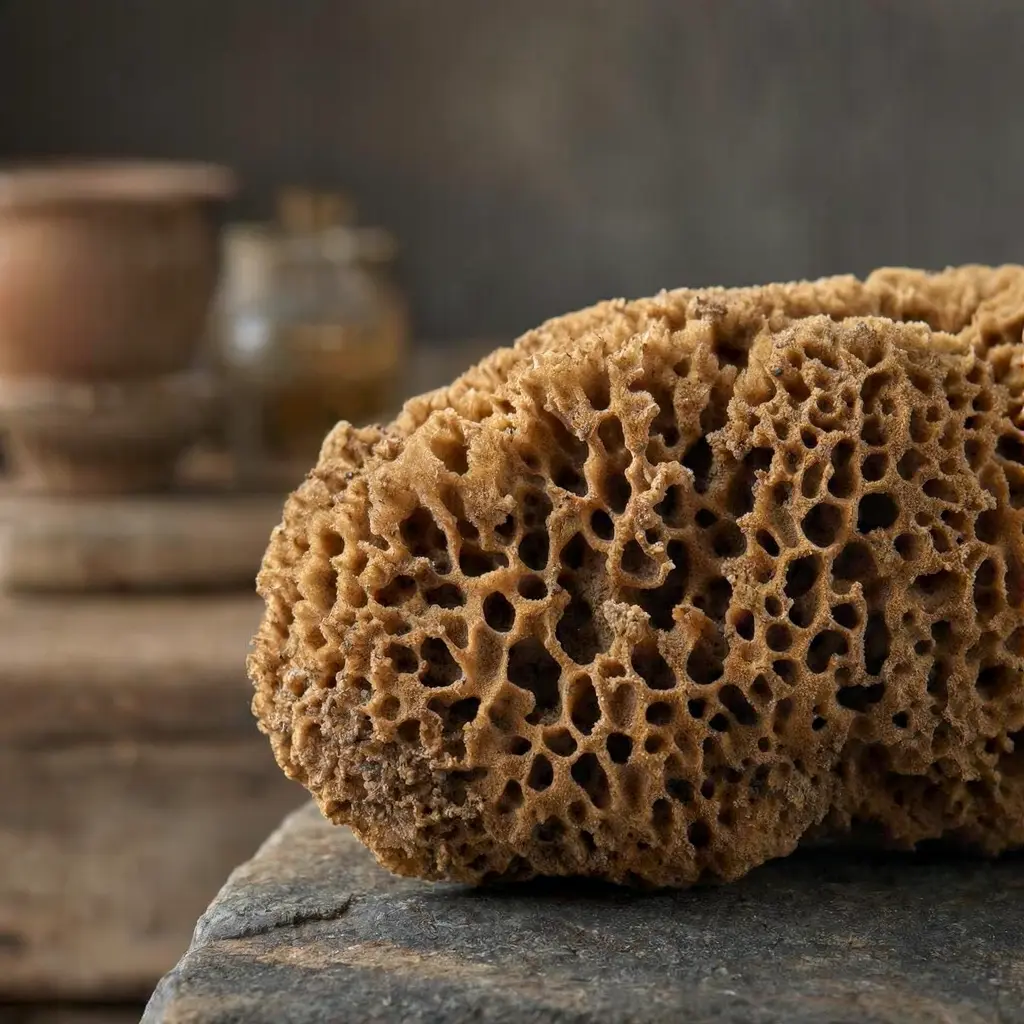
Kalymnos is one of the most distinctive islands in the Dodecanese — a long, mountainous spine of limestone and volcanic rock rising abruptly from the Aegean between Kos and Leros, with a character shaped equally by the sea that surrounds it and the cliffs that define it. For most of the modern era, Kalymnos was known primarily for one thing: sponge diving. The Kalymnian sponge fleet ranged across the eastern Mediterranean for generations, and the island's wealth — visible in the grand neoclassical mansions of Pothia — was built on the harvest of the seabed. That industry has declined, but it left a culture of maritime skill, a distinctive local architecture and a proud, independent island mentality that is immediately apparent to any visitor.
In the last two decades, Kalymnos has acquired a second identity that has transformed its economy and global reputation: it has become the sport climbing capital of Greece and one of the most important rock climbing destinations in the world. The same limestone cliffs that made the island's interior so rugged and its coastline so dramatic have proven to be world-class climbing terrain — over 4,000 bolted routes across more than 80 crags, ranging from gentle beginner faces to extreme overhanging tufa caves that challenge the best climbers on the planet. During the spring and autumn climbing seasons, Kalymnos attracts thousands of climbers from across Europe and beyond, and the villages of Masouri and Myrties have developed an infrastructure of climbing-specific accommodation, gear shops, guide services and social spaces that is unique in Greece.
The choice of where to stay on Kalymnos matters because the island is long and mountainous — about 40 kilometres from north to south — and the road network is winding and slow. The main concentration of accommodation, restaurants and nightlife is on the west coast, around Masouri and Myrties, which face the sunset and the small island of Telendos across a narrow channel. Pothia, the capital, sits on the south coast and offers a more urban, culturally rich base. The north of the island — Panormos, Emporios, Skalia — is quieter, more remote and increasingly appealing to travellers who want traditional Kalymnian village life without the climber scene. Each area offers a genuinely different experience, and understanding these differences before booking is the key to a successful Kalymnos trip.
1. Pothia — The Capital, the Harbour and the Heart of Kalymnian Culture
Pothia is the capital and principal port of Kalymnos — a city built in a dramatic amphitheatre around a deep natural harbour, with neoclassical mansions climbing the hillsides above a working waterfront of ferry docks, fishing boats, sponge warehouses and waterfront cafés. It is the most historically and culturally interesting base on the island, and the right choice for travellers who want to understand Kalymnos beyond its climbing reputation.
The city is dominated by the two landmarks visible from everywhere on the island: the large whitewashed church of Christ of Jerusalem (the Cathedral of Kalymnos) and the Castle of the Knights (Chora Castle) — a Byzantine and Knights Hospitaller fortress perched on the hill directly above the city. Walking up through the old quarter of Pothia, past the neoclassical Kalymnian mansions with their distinctive red-tiled roofs and ornate facades — built by the sponge merchants in the late 19th and early 20th centuries — is one of the most genuinely rewarding urban walks in the Dodecanese.
The Nautical Museum of Kalymnos is the single most important museum on the island and one of the best maritime museums in the Aegean. It houses an extraordinary collection of sponge-diving equipment — from the traditional wooden diving helmets and lead-weighted boots to the first mechanical diving suits — alongside ship models, maritime paintings, photographs documenting the sponge fleet's expeditions to Libya, Tunisia and the Egyptian coast, and a moving memorial to the divers lost to the bends and the sea. The museum tells the story of an industry that defined this island for over a century, and it is essential context for understanding the character of Kalymnos today.
Pothia also has the broadest range of practical amenities on the island: ferry connections to Kos, Leros, Patmos, Rhodes and the Athens ferry hub at Piraeus; the island's main bus station; car and scooter rental agencies; supermarkets; the best dining on Kalymnos (including waterfront tavernas serving fresh-caught Kalymnian seafood); and the island's only proper cinema, hospital and bank infrastructure.
Accommodation in Pothia tends toward traditional guesthouses, city-centre apartments and a small number of boutique hotels in restored neoclassical buildings. It suits independent travellers, culture-focused visitors, solo travellers and anyone who wants the convenience of a real town as a base. The main downside is that Pothia does not have a beach — swimming requires a short drive or bus ride to the nearest coves — and the orientation faces south rather than west, so sunset views require moving to the west coast.
2. Masouri — The World Capital of Sport Climbing and the Sunset Coast
Masouri is the epicentre of climbing tourism on Kalymnos and the most developed resort village on the island. It sits on the west coast, facing the sunset and the small, dramatic island of Telendos directly across a narrow channel of turquoise water. Behind the village, the cliffs of the Grande Grotta and the Arhi area rise directly from the coastal road — some of the most famous climbing crags in the world, with overhanging limestone tufa routes that have been the setting for international climbing competitions and magazine covers.
For climbers, Masouri is essentially perfect as a base. Accommodation is clustered within walking distance of multiple crags. The village has climbing gear shops (including the climbing-specific store Adventure, one of the best-stocked in Greece), guide services, a bouldering gym, and a social scene organised around the climbing calendar — post-climb beers at the beachfront cafés, route discussions over dinner, and the daily ritual of deciding which crag to visit. The energy during the spring (March to May) and autumn (September to November) climbing seasons is high and distinctly international in character.
Masouri also has genuinely good swimming. The coast here is a series of small pebble and sandy coves with exceptionally clear water, and the channel between Masouri and Telendos is protected from the prevailing northerly winds, creating calm swimming conditions for most of the day. The sunset from this coast — the sun dropping directly into the sea behind the silhouette of Telendos — is one of the finest evening views in the Dodecanese.
Accommodation style: Predominantly purpose-built studios and apartments designed for climbers — practical, clean, with outdoor drying space for gear and equipment storage. Some higher-end boutique options have appeared in recent years, but the overall character remains functional rather than luxurious. Prices are moderate and excellent value compared to equivalent accommodation on Kos or Rhodes.
Honest note: Masouri in the climbing seasons is a specific social environment — the restaurants and cafés are full of climbers discussing climbing. If you are a climber, this is the best part of staying here. If you are not a climber and visit during the peak seasons, you may feel slightly peripheral to the dominant culture of the village. The summer months (June to August) are quieter in climbing terms and the village has a more general holiday atmosphere, though the heat makes climbing less comfortable during the day.
3. Myrties and Telendos — The Beach Base and the Island Across the Water
Myrties lies immediately south of Masouri along the same west coast — effectively a continuation of the same settlement, with a slightly more relaxed atmosphere and better direct beach access. The waterfront here is lined with tavernas and cafés facing the Telendos channel, and the main beach of Myrties — a long strip of pebbles and sand — is the best swimming beach on the developed west coast.
Myrties is also the departure point for the caique ferry to Telendos — the small, uninhabited (except for a handful of tavernas and guesthouses) island separated from Kalymnos by a 800-metre channel of deep blue water. The boat crosses every 30 minutes in summer, takes five minutes, and costs a nominal amount. Telendos has no roads, no cars, no permanent electricity grid (properties use solar), and one of the most dramatic geological profiles in the Aegean — a sheer cliff rising 460 metres directly from the sea, with a handful of beaches, climbing routes and a genuine sense of isolation. Staying overnight on Telendos — in one of the few guesthouses — is one of the most unusual accommodation experiences in the Dodecanese and is highly recommended for at least one or two nights during a longer Kalymnos stay.
The Myrties and Masouri area together form the practical and social heart of tourist Kalymnos. The combination of climbing access, swimming, sunset views, and proximity to Telendos makes this the single most popular area for visitors. It is the right base for most first-time visitors to Kalymnos, particularly climbers and couples.
Accommodation style: Similar to Masouri — studios and apartments, a few small hotels, and increasing numbers of slightly higher-end options. The area immediately on the waterfront commands a premium for the view.
4. Panormos — The Authentic Village Base on the North Coast
Panormos sits on the north coast of Kalymnos, on the far side of the island's mountainous spine from Masouri, and represents a completely different Kalymnos experience — quieter, more traditionally Greek, and largely undiscovered by the climbing crowds. The village is built around a natural horseshoe bay with a long pebble beach, a handful of fish tavernas, a small supermarket and a pace of life that slows noticeably in the afternoon heat.
Panormos is the right base for travellers who have visited Kalymnos before and want a quieter, more residential experience, or for anyone who prefers genuine village atmosphere to the purpose-built tourist infrastructure of the west coast. The swimming in Panormos bay is good — the water is deep and clear, and the bay is protected from the wind. The sunset from the west-facing edge of the bay is excellent, though without the Telendos silhouette that defines the Masouri view.
The northern part of Kalymnos around Panormos is also the best area on the island for walking and exploring traditional Kalymnian village life. The mountain village of Chora (the medieval capital of Kalymnos, abandoned in the 18th century) is visible on the hillside above Panormos, reachable by a steep footpath. The nearby vale of the Vathys valley — a lush, green canyon of citrus groves and plane trees that feels completely different from the rest of the island — is a short drive inland.
Accommodation in Panormos: mostly small family-run rooms and apartments, with a few recently renovated traditional houses available for rent. Options are limited — book well in advance.
5. Vathys — The Green Heart of Kalymnos
Vathys is not a coastal village but a deep, narrow valley cutting inland from the east coast of Kalymnos — a canyon of extraordinary fertility that produces citrus fruits, olives, almonds and pomegranates, creating a landscape that feels almost impossibly lush compared to the arid, rocky rest of the island. The valley is one of the most beautiful natural features in the Dodecanese: steep green slopes rise on both sides, the valley floor is a patchwork of small farms and orchards, and the stream that runs through it creates a microclimate that keeps the valley noticeably cooler and greener than anywhere else on Kalymnos.
Staying in Vathys is a specific choice for travellers who want complete peace, natural beauty and a base for walking and exploration rather than beach or climbing convenience. The village of Vathys itself is small and scattered, with a handful of traditional Kalymnian tavernas — one of which, I Palia Agora, serves some of the most genuinely excellent home-cooked food on the island, including dishes made from ingredients grown in the family's own orchard. The beach nearest to Vathys is a 10-minute drive down the valley to the small cove at Platys Gialos — a pebble beach with clear water and almost no facilities.
The walking potential around Vathys is exceptional. A network of old agricultural paths connects the valley to the mountain villages of the interior, including the abandoned settlement of Rina and the monastery of Agios Savvas, which commands a view across the entire island from a dramatic cliffside position. The Seven Springs walk — a route through the upper valley past natural springs and under plane trees — is one of the finest short walks on Kalymnos.
Accommodation in Vathys: Almost entirely traditional stone houses and converted farm buildings, rented as self-catering properties. There are no hotels and no formal guesthouses — the accommodation is the attraction itself.
Honest note: Vathys is not for everyone. You need a car for literally everything — the nearest shop, the nearest restaurant outside the valley, the nearest beach, the nearest climbing crag. If you want a peaceful, nature-focused base and are happy to drive for every meal and activity, it is one of the most beautiful places to stay on the island. If you want walking access to restaurants and services, choose Masouri or Myrties instead.
6. Emporios and Skalia — The Remote Northern Coast
The northernmost part of Kalymnos — the coast beyond Panormos, toward the islands of Leros and the open sea — is the least visited and most genuinely remote part of the island. Emporios is a small fishing village at the end of the road, with a handful of houses, a taverna and a jetty. Skalia, a few kilometres further, is even smaller. The landscape here is wilder and more exposed — the vegetation thins, the wind picks up, and the sense of being at the edge of the island is unmistakable.
For travellers who want complete escape — no crowds, no climbing scene, no organised anything — the north coast offers a genuinely off-grid Kalymnos experience. The swimming is excellent in the clear, deep water off the rocky coast. The sunsets here are different from the west coast — the sun sets over the sea to the west, but the foreground is the rugged northern coastline rather than the manicured village front of Masouri. The nearby island of Leros is visible across the water, adding a sense of open horizon.
The road from Panormos to Emporios is one of the most scenic drives on the island — winding along the clifftop with views across the sea to Leros, Patmos and the Turkish coast beyond. It is also the slowest road on the island, so allow 20-25 minutes for the 8-kilometre drive.
Accommodation: Minimal — a few private houses available for rent, no hotels. Booking is entirely through individual owners and requires advance planning.
Honest note: This area is genuinely remote. There is one taverna in Emporios (open seasonally), no shops beyond a basic kiosk, and no services of any kind. If you stay here, you are committed to self-sufficiency and driving to Panormos or Masouri for supplies. For the right traveller, this is exactly the point.
Frequently Asked Questions
When is the best time to visit Kalymnos?+
The ideal periods are April to June and September to October — the weather is warm, the sea is swimmable, and the island is at its best for both climbing and general tourism. July and August are hot (temperatures frequently exceed 35°C), which makes climbing uncomfortable during the day, though beach swimming is excellent. The climbing seasons peak in March-May and September-November, when Masouri is at its most lively. Winter (November to March) is quiet — many hotels and restaurants close, but the island has a peaceful, local character that some travellers appreciate.
Do I need a car on Kalymnos?+
It depends on where you stay. If you base yourself in Masouri or Myrties, many crags, restaurants and beaches are within walking distance, and you can manage without a car for a short stay. For exploring the rest of the island — Pothia, Panormos, Vathys, Emporios — a car or scooter is strongly recommended. Rental cars are available at the airport and in Pothia, and scooter rental is widely available and affordable.
Is Kalymnos suitable for non-climbers?+
Absolutely. While climbing is the most famous activity on Kalymnos, the island has excellent swimming, wonderful walking trails, interesting museums (the Nautical Museum and the Maritime Museum in Pothia), traditional villages, beautiful views and a distinctive local culture. The summer months are quieter in climbing terms and the island has a general holiday atmosphere. Non-climbers should avoid Masouri during the peak climbing seasons if they prefer not to be surrounded by climbing culture, and instead base themselves in Pothia, Panormos or Vathys.
How do I get to Kalymnos?+
Kalymnos has a small airport with seasonal direct flights from Athens and some European cities during summer. The most common route is to fly to Kos and take the 30-minute ferry connection from Kos Town to Pothia (multiple ferries daily year-round). Ferry connections also link Kalymnos to Leros, Patmos, Rhodes and Piraeus. High-speed ferries from Athens take approximately 7-8 hours.
How many days should I spend on Kalymnos?+
For a first visit, 4-5 days is a good minimum — enough time to explore the main areas, go climbing or hiking, visit Telendos and experience the island's character. A week allows you to relax properly and explore the quieter north coast and the Vathys valley. Climbers on a dedicated trip often stay 10-14 days and never run out of new routes to try.