Kalymnos
Dodecanese

Kalymnos

Kalymnos is the world capital of sport climbing — a dramatic limestone island in the Dodecanese with over 3,000 bolt-protected climbing routes on its sea-facing cliffs. It is also the island of the legendary sponge divers, whose tradition shaped the culture and economy of the Aegean for centuries.

World capital of rock climbing

Sponge diving heritage

Telendos island — car-free

Vathi valley — hidden fjord

Traditional Dodecanese villages

Travel Guide

Where to Stay in Kalymnos

Travel Guide

Rock Climbing Guide

Travel Guide

Tours & Experiences

Beach Guide

Best Beaches in Kalymnos

Activities

Things to Do in Kalymnos

Destination Overview

Kalymnos

Kalymnos is not a typical Greek island, and it has never tried to be. It has no iconic caldera, no Cycladically famous village, no headline archaeological site that draws busloads from cruise ships. What it has instead is something rarer and more specific: a coherent identity — hard, vertical, rooted in the sea — that runs from the limestone cliffs that have made it the most important sport climbing destination in the world through to the sponge-diving tradition that defined its economy and culture for over a century, down to the character of its people, who have a directness and a self-possession that comes from generations of genuinely dangerous work. The island is dramatic in its geology. The bare limestone mountains that rise almost vertically from the sea on the west coast are the same rock that climbers from forty countries come to scale — bolted routes running up sun-warmed orange and grey walls above beaches of turquoise water. The interior is a surprise: the valley of Vathi on the east coast cuts deep into the mountains in a narrow, lush fjord of mandarins and figs that feels entirely incongruous against the bare rock above it. The capital, Pothia, is the largest of the Dodecanese island towns and one of the most authentically workmanlike — a harbour of neoclassical mansions built on sponge money, painted in colours that once helped divers identify their homes from the sea. The sponge-diving tradition of Kalymnos was one of the most extraordinary and brutal occupations in the pre-modern Mediterranean. Men descended to depths of 60 and 70 metres on a single breath — or, later, on primitive hard-hat equipment that caused decompression sickness on a catastrophic scale — to harvest sponges from the sea floor off North Africa, Libya and the Greek coast. The tradition lives on in the sponge shops of Pothia and in a festival held each spring to bless the divers and their boats. Kalymnos is positioned at the centre of the northern Dodecanese, with Leros to the north, Kos to the south and the small island of Telendos — a car-free settlement of fishermen and cats, separated from Kalymnos by a channel 600 metres wide — immediately to the west. It is an island that rewards curiosity, physical engagement and a willingness to look past the surface.
Kalymnos

Why Visit Kalymnos

1

World capital of sport climbing — beginners welcome as much as experts

Over 3,000 bolt-protected climbing routes have been developed on Kalymnos's limestone cliffs since the 1990s, covering grades from beginner to elite and spanning dozens of crags above the western coast. The combination of rock quality, sun exposure, sea views from the wall and the concentration of routes within walking distance of accommodation has made Kalymnos the most visited climbing destination on earth. Every October, the Kalymnos Climbing Festival draws athletes and enthusiasts from over forty countries.

2

The sponge-diving heritage — the most moving cultural tradition in any Greek island

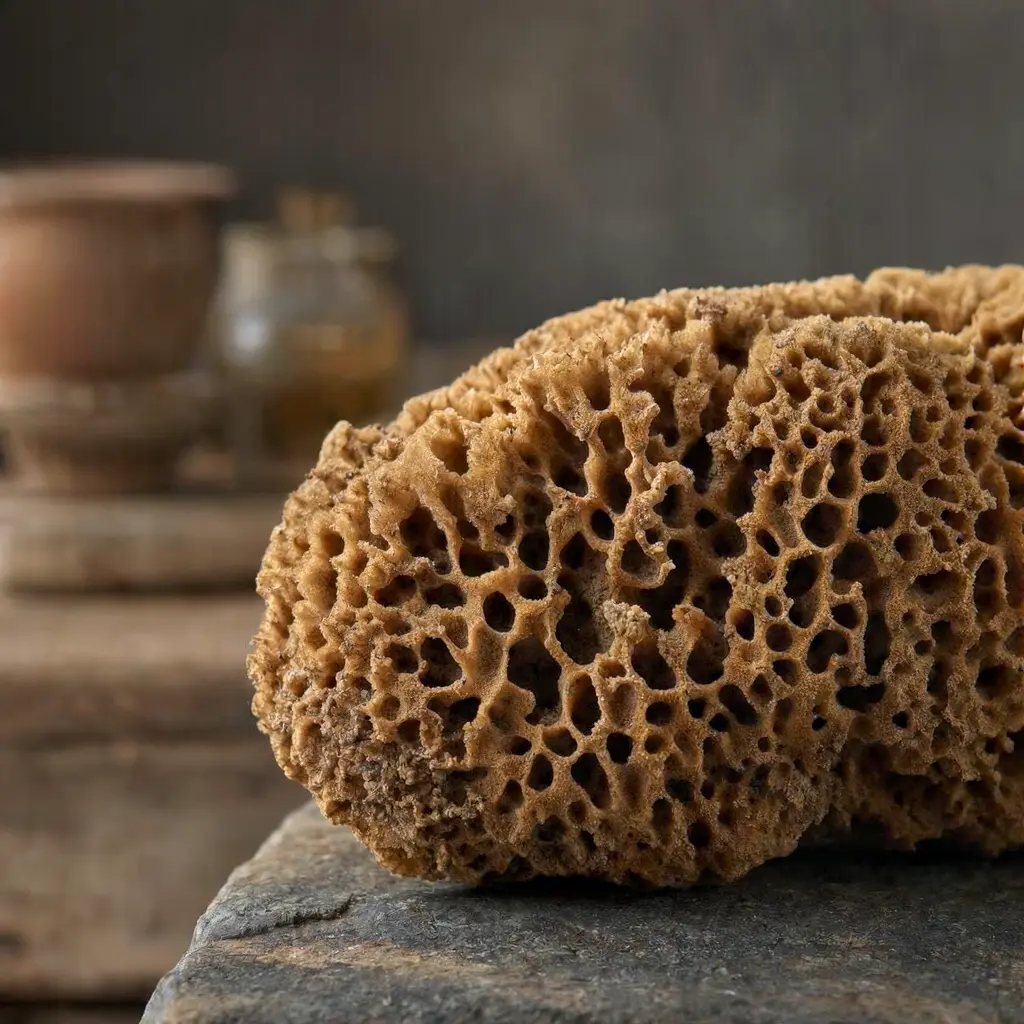
Kalymnos was the centre of the Mediterranean sponge trade for centuries. The Nautical and Folklore Museum in Pothia tells the full story with exceptional depth. The sponge shops on the harbour sell genuine natural sponges harvested from the Aegean and Mediterranean floor. The spring Sponge Diving Festival is one of the most authentic island celebrations in Greece.

3

Telendos — a car-free island visible from every café in Massouri

The small island of Telendos sits 600 metres west of Kalymnos across a shallow channel. It is permanently inhabited by a small community of fishermen and farmers, has no cars, one main path between its small harbour and its beaches, and a handful of tavernas that serve the freshest fish on the channel. Taking the caïque across at sunset for dinner is one of the finest simple pleasures in the Dodecanese. The underwater ruins of the ancient city between the two islands are visible in calm shallow water.

4

Vathi valley — the most surprising landscape in the Dodecanese

The valley of Vathi on the east coast cuts deep into the limestone mountains in a narrow, lush canyon of mandarin and lemon orchards, fig trees and oleander, with a small harbour at its mouth where the sea reaches the valley floor. In autumn, the mandarins turn orange and the valley fills with a citrus scent that is specific to this place and no other in the Aegean. Arriving by boat into the Vathi inlet — the cliffs closing around you as the valley opens ahead — is one of the most unexpected and beautiful arrivals in the Greek islands.

5

Pothia — a harbour capital unlike any other in the Dodecanese

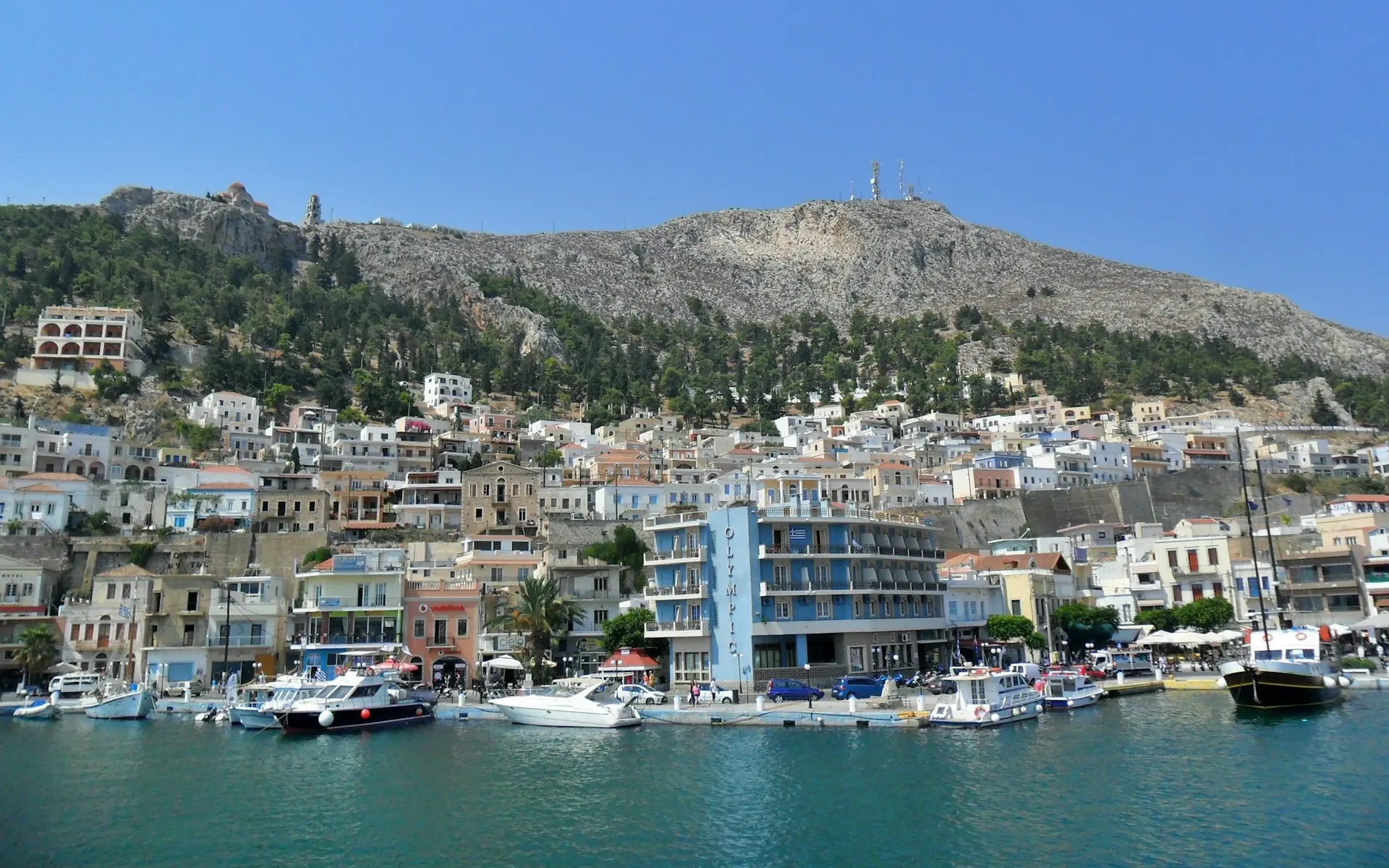
Pothia is the largest town in the Dodecanese after Rhodes and Kos Town. The neoclassical mansions built by wealthy sponge merchants in the 19th and early 20th centuries line the harbour in faded ochre, terracotta and blue. The town has a working-town energy — market streets, hardware shops, kafeneions where old men play tavli — that makes it one of the most authentically Greek port towns in the island chain.

6

Excellent beaches, almost entirely uncrowded by Aegean standards

Kalymnos has a series of fine beaches along its west coast — from the pebble-and-sand coves below the climbing crags at Massouri and Myrties to the long sandy beach at Emborios in the far north. None of these is famous in the way that Mykonos or Santorini beaches are famous, which means they are available at full quality without reservation systems, €30 sunbed charges or the sense that you are sharing a beautiful place with every other person who has a smartphone.

7

Perfectly positioned for exploring the northern Dodecanese

Kalymnos sits at the centre of the northern Dodecanese chain with regular ferry connections to Kos (30 minutes by high-speed), Leros (45 minutes), Patmos (2 hours) and Rhodes. Day trips to the ancient site of Kos Town, the Hippocrates plane tree and the Asklepion are feasible. The tiny island of Pserimos — population under 100, one beach, three tavernas — is reachable in 20 minutes by excursion boat.

Kalymnos

Rock Climbing — World Capital

Kalymnos became a climbing destination in the early 1990s when Greek and Italian climbers began bolting routes on the magnificent orange and grey limestone walls of the western coast. The rock — Jurassic limestone, sculpted by millennia of sea air into pockets, tufas and edges — is considered among the finest climbing rock in the world. Routes run directly above the sea in many places, with views across to Telendos and the open Aegean that make the climbing experience unique even by international standards. The main climbing areas — Grande Grotta, Odyssey, Spartacus, Poets, Jurassic Park, Ghost Kitchen — are all within walking distance or a short drive of Massouri, which has become the island's climbing hub with gear shops, guidebook shops, outdoor cafés and a community of long-stay climbers that gives it an energetic, international character. Over 4,200 routes across 99 crags, from beginner (F3a) to elite (F9a) grades. The Kalymnos Climbing Festival in October is the largest sport climbing event in Greece, drawing over 3,500 participants from 40+ countries. Non-climbers: the crags are visible from the coast road and the beach below — watching experienced climbers move on vertical limestone above turquoise water is one of the most striking visual spectacles the Greek islands offer. Several schools offer beginner courses; the rock is approachable and the bolted protection makes safe top-rope climbing accessible to first-timers within hours. For a complete guide to climbing in Greece — including Kalymnos, Varasova, Meteora, Leonidio, Crete and more — see the Rock Climbing in Greece Guide.

Kalymnos island — Dodecanese, Greece

Kalymnos

Best Time to Visit Kalymnos

March – April

The finest months for climbing — mild temperatures, long days, the crags are uncrowded and the rock is dry. The Spring Sponge Diving Festival takes place in late April or early May, blessing the boats and their crews in a ceremony unchanged for generations. The island is quiet and entirely local in character.

May – June

Ideal for the full island experience — warm enough for swimming, uncrowded beaches, excellent taverna food, and climbing conditions that are still very good before the summer heat. The Vathi valley mandarins are green and fragrant.

July – August

Peak season. The beaches are at their best; the north-facing crags remain climbable even in summer heat; the island is lively and well-supplied. The meltemi provides a cooling breeze on the west coast. Book accommodation ahead.

September

Excellent in every respect. The sea is at its warmest, the beaches are emptying, the Vathi mandarins are beginning to turn orange and the climbing conditions return to spring quality. One of the finest months in the Dodecanese calendar.

October

The Kalymnos Climbing Festival transforms the island for two weeks — an influx of international climbers, competitions, evening events and a concentrated energy that gives Massouri the atmosphere of a small international village. The Vathi valley is in full orange fragrance.

November – February

Kalymnos functions year-round as a working community. Winter climbing is popular — the limestone dries quickly after rain and the mild Dodecanese climate allows outdoor activity most days. The island in winter has an honest, unhurried quality.

Kalymnos

Top Attractions & Experiences

1

Pothia harbour and the neoclassical mansions

Pothia is the capital and port of Kalymnos and one of the most individual harbour towns in the Dodecanese. The neoclassical mansions that line the harbour were built by wealthy sponge merchants and painted in the warm, saturated colours — ochre, terracotta, deep blue — that allowed their owners to identify them from the returning fleet. Behind the harbour, the market streets are entirely local — hardware shops, butchers, kafeneions, the kind of working-town texture that has largely been erased from the more tourist-oriented Dodecanese islands. Walk the upper streets of Pothia above the harbour for some of the finest neoclassical domestic architecture in the Dodecanese.

2

Nautical and Folklore Museum

The Nautical and Folklore Museum in Pothia is the best single museum on the island and one of the most specifically focused museums in the Dodecanese — dedicated almost entirely to the sponge diving tradition. Diving equipment from various eras, photographs of the fleet departures and returns, accounts of the decompression sickness epidemic, and personal objects left by divers who did not return. Visit the museum before you buy sponges from the harbour shops — it transforms a natural product on a shelf into the residue of one of the most remarkable human occupations in the Mediterranean.

3

The climbing crags — Grande Grotta, Odyssey and beyond

The main climbing areas are concentrated on the west coast between Armeos and Massouri. Grande Grotta — an enormous overhanging cave above the sea near Myrties — is the most dramatic crag on the island, with routes over 30 metres in deep shade above the water. Odyssey is accessible to a wider range of grades. The Poets sector near Massouri is considered one of the finest collections of multi-pitch routes in the Mediterranean. Even if you have no intention of climbing, walking to the base of Grande Grotta to watch experienced climbers on the roof is an extraordinary spectacle.

4

Vathi — the green valley and the sea-fjord of mandarins

The valley of Vathi is the island's most surprising landscape — a deep, narrow inlet where the sea pushes into the mountains, flanked by terraced groves of mandarin and lemon trees. The approach by boat — the limestone cliffs narrowing as the valley opens — is one of the finest arrivals in the Aegean. In autumn, the mandarins turn orange and the valley fills with a fragrance that carries on the wind several kilometres out to sea. The mandarins of Vathi are among the finest in Greece — small, intensely aromatic, harvested from trees that have been growing on the same terraces for generations.

5

Telendos island — the five-minute crossing to another world

The caïque crossing from Myrties to Telendos takes four minutes. Telendos has no cars, no roads worth the name, one main path, a handful of fishermen's houses, and three or four tavernas that serve food made from what was caught that morning. The climbing on Telendos — routes on the sea-cliff walls directly above the water — is among the most dramatic on the whole island. The ruins of the ancient city submerged between the two islands are visible in the clear shallow water on calm days. An overnight stay on Telendos is one of the most peaceful experiences in the Dodecanese.

6

Chora medieval village and the Cave of the Seven Virgins

The limestone interior of Kalymnos is riddled with caves. The Cave of the Seven Virgins above the road between Pothia and Chora is the most accessible, with stalactites and stalagmites. The village of Chora — the island's medieval capital — sits above Pothia on a defensive ridge and retains sections of its Byzantine and Hospitaller fortifications. The Knights of St John castle above Chora gives wide views over both coasts on clear days. Walk up from Pothia in the early morning before the day warms up; the light on the stone at that hour is exceptional.

Kalymnos

Best Beaches in Kalymnos

Myrties & Massouri

The beaches flanking the climbing village of Massouri — pebble coves with turquoise water directly below the limestone crags, and the most dramatic view in the Dodecanese: Telendos island sitting in the channel 600 metres away, with climbing routes visible on its sea-facing walls.

Emborios

A long sandy beach at the northern tip of the island — broad, calm and genuinely beautiful, with a small village taverna and one of the finest views north toward Leros. The furthest beach from Pothia, which means it is the least crowded.

Kantouni

A pebble cove south of Myrties, below the road, with exceptionally clear water and a small seasonal taverna. Quieter than the Massouri beaches and more sheltered from the afternoon wind. One of the island's best-kept secrets.

Armeos

A small cove immediately below the Armeos climbing sector — accessible on foot from the crags. The combination of a morning on the rock and an afternoon swimming below the routes you just climbed is one of the signature Kalymnos experiences.

Vathi beach

The small beach at the mouth of the Vathi inlet — sheltered, calm, with the mandarin groves above and the sea ahead. The water here is warmer than the west coast and completely calm even when the meltemi is blowing.

Hohlakas beach, Telendos

A pebble cove on the south coast of Telendos island, reached by a short walk from the harbour. The water here is among the clearest in the channel, and the submerged ruins of the ancient city are directly accessible by snorkelling.

Kalymnos

Food & Drink in Kalymnos

Octopus — the island's defining dish

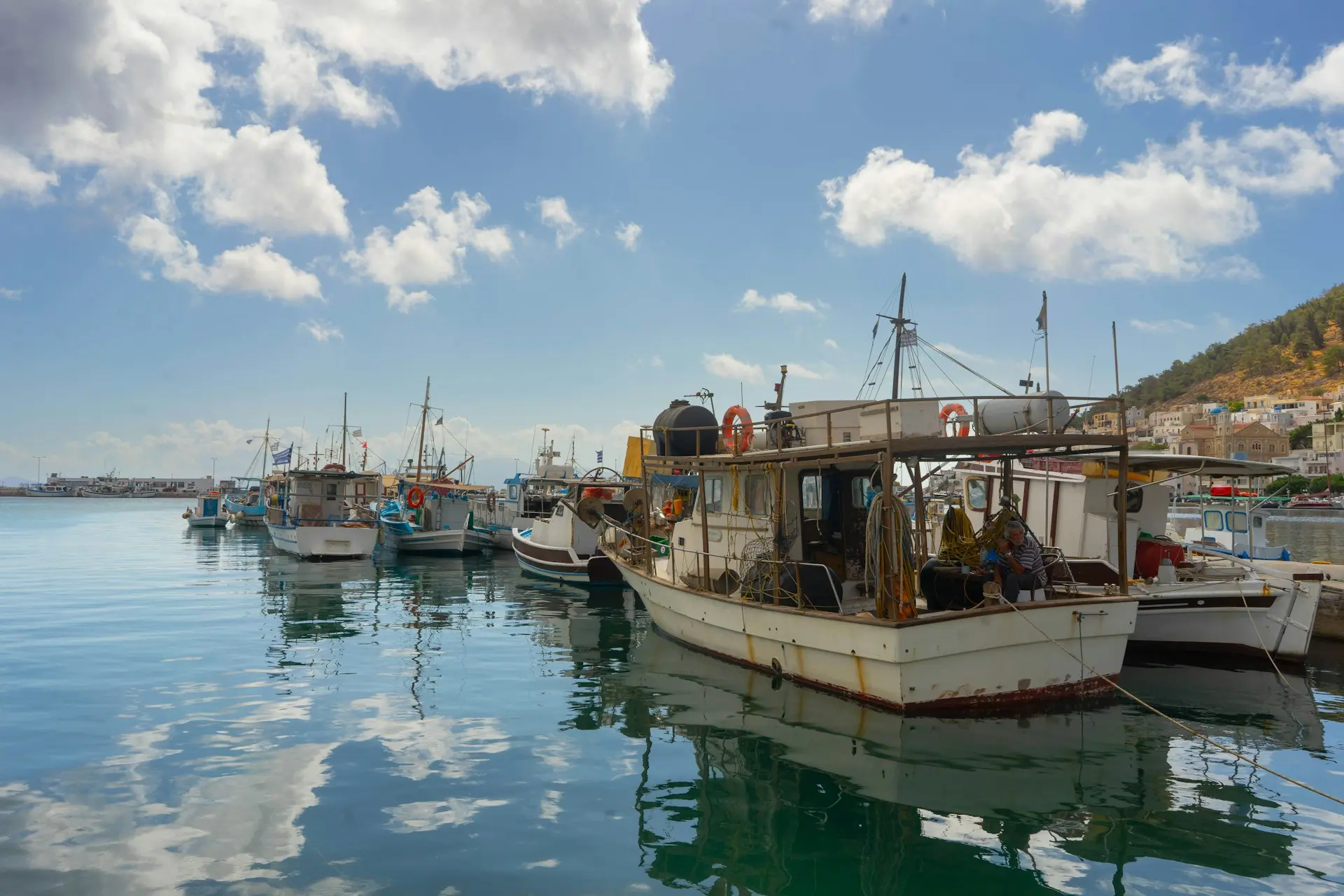
Kalymnos octopus — hung to dry on lines above the harbour, beaten on the quay, then grilled slowly over charcoal — is considered the finest in the Dodecanese. Order it at any serious taverna on the harbour or at Telendos.

Vathi mandarins and citrus

The mandarins of Vathi valley are a local treasure — small, intensely aromatic and harvested from old-variety trees. Available fresh from October through January from the village shop at the Vathi quay. The mandarin honey produced in the valley is exceptional.

Fresh fish at Telendos tavernas

The tavernas on Telendos serve whatever was caught that morning — red mullet, sea bream, sea bass and small local fish, grilled simply and served with a glass of house wine and a view of the Kalymnos cliffs across the channel.

Kopanisti — Kalymnian spiced cheese

A pungent, aged cheese with a sharp, complex flavour — made on several Aegean islands but considered particularly fine on Kalymnos, where the milk from the island's goats has a distinctive minerality from the limestone grazing.

Kalymnian honey

The honey produced from the island's wild thyme, oregano and sparse but intensely aromatic flora is considered among the finest in the Dodecanese. Available at the market in Pothia and from small producers in the interior villages.

Pothia harbour seafood tavernas

The waterfront tavernas of Pothia are working-port restaurants rather than tourist operations — their menus are determined by the morning's catch and their prices reflect an economy that still feeds fishermen and merchants.

Kalymnos

Villages & Areas of Kalymnos

Pothia — Capital & port

The island's capital — largest Dodecanese town after Rhodes and Kos, built on sponge money, painted in warm colours and entirely uninterested in performing for tourists. The harbour, the neoclassical mansions, the market streets and the museums are all here.

Massouri & Myrties — Climbing hub

The twin villages on the west coast that form the island's climbing centre — international in character, with gear shops, outdoor cafés, climbing schools and a waterfront of tavernas facing Telendos. The best base for climbers and the most visually dramatic location.

Chora (Pera Kastro) — Medieval capital

The medieval hilltop village above Pothia, with a Byzantine-era fortified settlement at its highest point. Largely abandoned but architecturally intact. The views from the castle ridge over both coasts are among the widest on the island.

Vathi — Hidden valley

The village at the head of the Vathi inlet — small, traditional, surrounded by mandarin groves. The most unexpected place on the island. Arrive by sea to understand it fully.

Telendos — Car-free island

Kalymnos's closest neighbour — a car-free island of fishermen and silence, five minutes by caïque from Myrties. Submerged ancient ruins offshore. Its own dramatic climbing routes. Worth an entire day if not an overnight stay.

Emborios — Northern tip

A small, sleepy village at the northern end of the island — the end of the road. The beach here is the finest on the island, the pace is entirely local, and it is an excellent choice for travellers who want Kalymnos without the climbing-community energy.

Kalymnos, Greece
Kalymnos, Greece

Kalymnos

Practical Tips for Kalymnos

Getting there by ferry

Kalymnos is served by regular ferries from Piraeus (approximately 10–12 hours overnight) and by high-speed connections from Kos (30 minutes), Leros (45 minutes) and Rhodes (2–3 hours). Seasonal connections from Patmos and the northern Dodecanese. Ferries dock at Pothia harbour.

Getting there by air

Kalymnos has a small airport with seasonal domestic flights from Athens (Olympic Air, Sky Express). Alternatively, fly to Kos International Airport (many European connections) and take the 30-minute high-speed ferry to Kalymnos.

Getting around

For Pothia and the west coast (Massouri, Myrties, Telendos crossing), a car is optional — taxis and the island bus cover the main route. For Emborios, Vathi and the cave of the Seven Virgins, a rental car or scooter is needed. Cars available at the port on arrival. A scooter covers the island comfortably.

Getting to Telendos

The caïque to Telendos departs from the Myrties waterfront every 20–30 minutes in summer. The crossing takes four minutes. No cars on Telendos; everything is accessible on foot. An overnight stay is one of the most peaceful experiences in the Dodecanese.

How many days?

Three days covers Pothia, the museum, Massouri, Telendos and a boat trip to Vathi. Five days allows a full climbing initiation, Chora medieval village, Emborios beach and a day trip to Kos or Pserimos. For climbers, two to three weeks is the standard stay.

October Climbing Festival

The Kalymnos Climbing Festival runs for approximately two weeks in October. Competitions, demonstrations, social events and organised climbing days. Accommodation in Massouri fills completely — book months in advance. The atmosphere is unique and worth experiencing even for non-competitive visitors.

Spring Sponge Diving Festival

Held each spring — usually late April or early May. The blessing of the fleet, the ceremonial send-off of the diving boats, traditional music and dance. One of the most authentic island celebrations in the Dodecanese.

Kalymnos

FAQ — Kalymnos Essentials

Do I need to be a climber to enjoy Kalymnos?

Not at all. The climbing is what brought Kalymnos to international attention, but it occupies only part of the island's identity. Pothia and its sponge diving heritage, the Vathi valley, Telendos, the beaches, the exceptional seafood, the traditional village of Chora — all are entirely available to non-climbers. Many visitors come specifically for the authentic Dodecanese atmosphere.

What climbing grade do I need for Kalymnos?

Kalymnos has routes across the full grade spectrum. The concentration of beginner-friendly sectors means a complete beginner can be safely climbing on bolt-protected routes within half a day. The majority of the 3,000-plus routes are at intermediate grades (French 5a–7a) and accessible to regular recreational climbers.

What is the sponge diving tradition?

Kalymnos was the centre of the Mediterranean sponge trade for centuries. Divers harvested natural sponges from depths of 40–70 metres, initially on a single breath, later using primitive hard-hat equipment that caused epidemic decompression sickness. The tradition shaped everything about the island — its architecture, music, social structure and character.

How do I get from Kalymnos to Kos?

High-speed ferry services connect Kalymnos and Kos in approximately 30 minutes — one of the shortest inter-island connections in the Dodecanese. Several services run daily in summer. Kos is worth a day trip for the ancient Asklepion and the archaeological museum.

What are the submerged ruins between Kalymnos and Telendos?

In AD 554, a major earthquake submerged a settled area under the shallow waters of the channel. Byzantine-era architectural elements, walls and mosaic fragments have been identified. The ruins are visible in calm conditions and accessible by snorkelling to depths of 2–5 metres.

Is Kalymnos good in winter?

Remarkably so. The Dodecanese climate is mild, and the limestone dries quickly after rain. The climbing community maintains a year-round presence in Massouri. Pothia functions as a fully active working town. The island has a quiet, honest quality in winter that long-term visitors find deeply appealing.

How does Kalymnos compare to other Dodecanese islands?

Kalymnos is the most specifically characterful of the northern Dodecanese islands. It has a unique combination of extreme sport heritage, maritime cultural depth, extraordinary landscape and a self-possession that comes from being known primarily within a specialist community rather than to mass tourism. It is less polished and more authentic than any of its neighbours.