
Greek Island Hopping: A Complete Guide for 2026
Everything you need to plan an unforgettable island-hopping adventure through the Greek islands — routes, ferry tips, packing list, and which islands to choose.
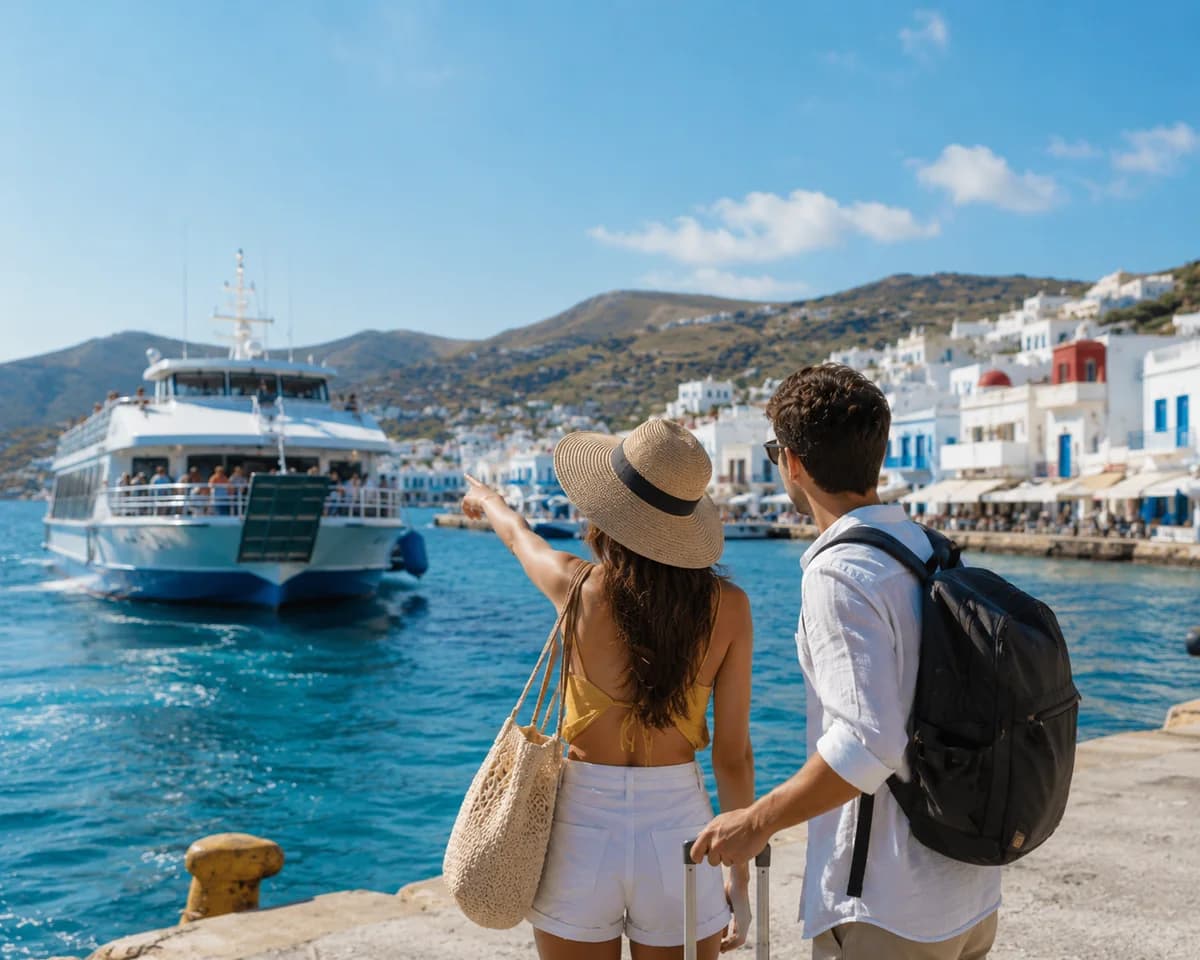
Island hopping is the quintessential Greek travel experience. There is nothing quite like watching the Aegean Sea unfold from the deck of a ferry as you move from one island to the next, each with its own character, architecture, cuisine, and rhythm of life.
Planning a successful island-hopping trip requires careful thought about routes, timing, ferry schedules, and accommodation. This guide will walk you through every step.
Choosing Your Island Group
Greece has over 200 inhabited islands, so narrowing down your options is the first challenge. The good news is that they are grouped into clusters that share similar geography and ferry connections.
**The Cyclades** (Santorini, Mykonos, Naxos, Paros, Milos, Syros, Tinos, Folegandros) are the most popular for island hopping. The ferry network is the most developed in Greece, with multiple daily connections between most islands. The aesthetic is what you imagine when you think of Greece — whitewashed buildings, blue-domed churches, and windmills. Each island has a distinct personality: Naxos is great for families and beaches, Paros for a balanced mix, Milos for dramatic coastline and rock formations, and Folegandros for quiet authenticity.
**The Ionian Islands** (Corfu, Zakynthos, Kefalonia, Lefkada, Paxos) are greener and more lush than the Cyclades. The ferry network is less dense but manageable. These islands are known for their stunning beaches (Navagio, Myrtos, Porto Katsiki), Venetian-influenced architecture, and a more relaxed pace of life. Best for nature lovers and beach enthusiasts.
**The Dodecanese** (Rhodes, Kos, Patmos, Kalymnos, Symi) are rich in history with medieval castles and towns. The islands are further from Athens, making them better for a dedicated Dodecanese trip. Rhodes has the best-preserved medieval old town in Greece, Kos combines beaches with history, and Patmos is known for its monastery and spiritual atmosphere.
**The Saronic Islands** (Hydra, Spetses, Aegina, Poros) are the closest to Athens, with ferry connections from Piraeus taking as little as 1–2 hours. They are perfect for short trips or as an introduction to island hopping.
The **Sporades** (Skiathos, Skopelos, Alonissos) are lush green islands in the northwest Aegean with beautiful beaches. Skiathos has the most nightlife, while Skopelos is quieter and more traditional.
How Many Islands to Visit?
This is the most common mistake first-time island hoppers make. The temptation is to visit as many islands as possible, but you will end up spending more time in ferry terminals than actually enjoying the islands.
A good rule of thumb: spend at least 2–3 nights on each island. This gives you one full day to explore and another to relax before moving on.
Ferry Tips and Tricks
**Booking platforms**: Use Ferryhopper (best for comparing routes and prices) or book directly through ferry company websites — Blue Star Ferries, Hellenic Seaways, SeaJets, and Minoan Lines are the main operators.
**Types of ferries**: High-speed vessels (SeaJets, Hellenic Seaways) are 2–3 times faster but also more expensive. Conventional ferries (Blue Star) are slower but offer more deck space, better cafeterias, and lower prices. Overnight ferries are available on longer routes and can save you a night of accommodation.
**Booking in advance**: For popular Cycladic routes in July and August (especially Santorini–Mykonos, Athens–Santorini, and Paros–Naxos), book at least 2–3 weeks in advance. For shoulder season (May, June, September), a week in advance is usually sufficient.
**Check the port**: Some islands have multiple ports. For example, Naxos has its main port in Naxos Town, but some ferries also stop at the smaller port of Apollonas. Ferries arriving at Paros can dock at either Parikia (main port) or Naoussa.
**Delays and cancellations**: Ferries can be delayed or cancelled due to weather, especially in winter and early spring. The meltemi wind in July and August can cause cancellations on exposed routes. Always have a backup plan.
Sample Itineraries
**Classic Cyclades (10–14 days)**: Athens → Paros (3 nights) → Naxos (3 nights) → Santorini (3 nights) → Mykonos (2 nights) → Athens. This route covers the highlights and has excellent ferry connections.
**Relaxed Ionian (7–10 days)**: Corfu (3 nights) → Paxos day trip → Kefalonia (3 nights) → Zakynthos (3 nights) → Athens. Note that you will need to fly from Zakynthos to Athens or take a long bus-ferry combination.
**Off the beaten path (10–12 days)**: Athens → Milos (3 nights) → Folegandros (2 nights) → Syros (2 nights) → Tinos (2 nights) → Athens. Less crowded, more authentic, equally beautiful.
Packing List
Budget Considerations
Island hopping can be as budget-friendly or as luxurious as you make it. Here are average daily costs:
Ferry costs vary by route but expect to pay €30–70 per person for a 2–4 hour high-speed ferry connection between popular islands.
Final Advice
Start your first island-hopping adventure in the Cyclades. The ferry network is the most reliable, the variety of islands is unmatched, and you will understand why this region is the heart of Greek island travel. Resist the urge to overplan — leave room for spontaneous discoveries, extended stays on islands you fall in love with, and the occasional ferry delay. That is the real spirit of island hopping.
Explore Related Content
Continue planning your trip with these guides and listings.