
Ultimate Crete Travel Guide: Everything You Need to Know
Greece's largest island offers stunning beaches, ancient Minoan history, dramatic gorges, and some of the best food in the Mediterranean. Plan your perfect Crete trip.
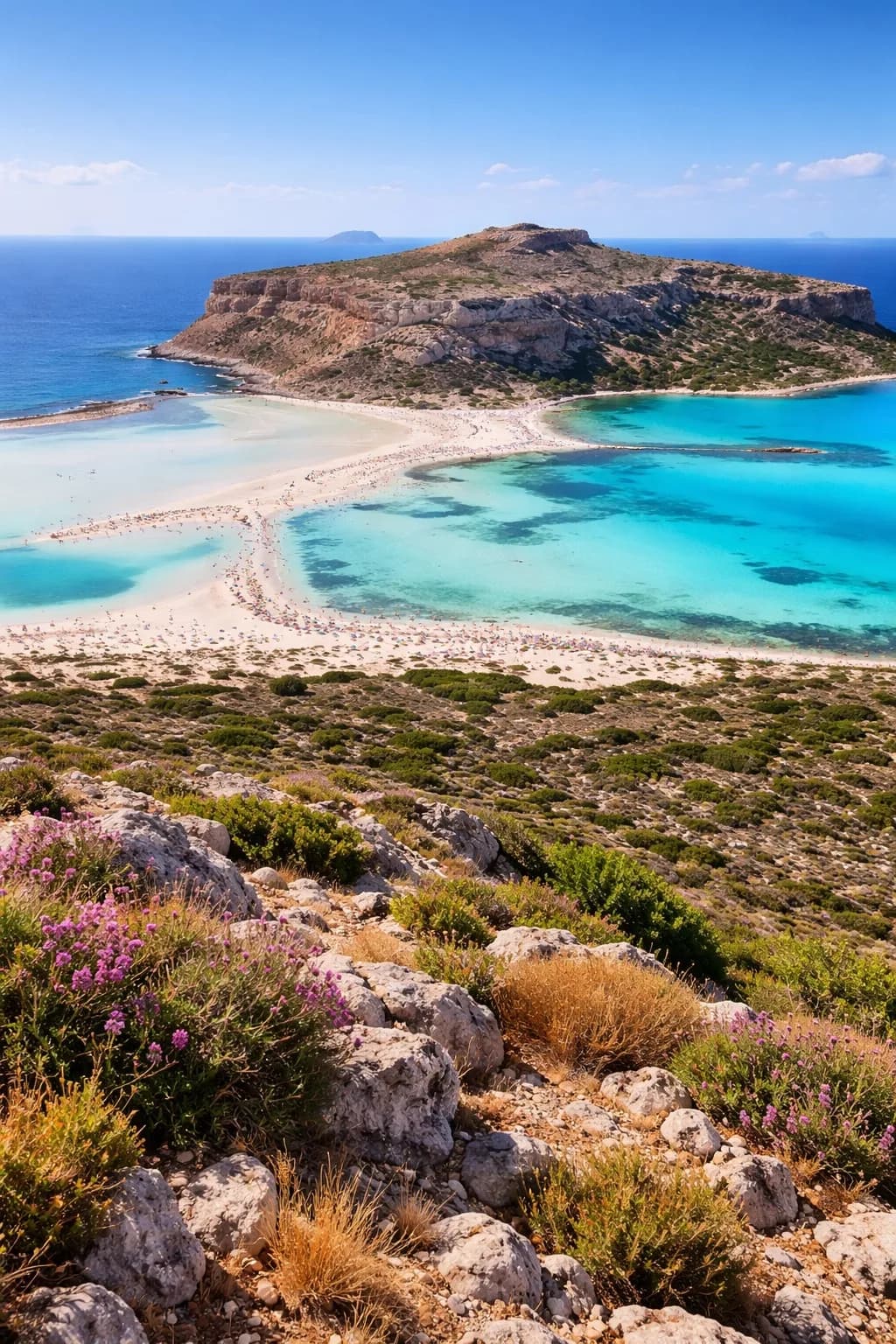
Crete is not just an island — it is a world unto itself. As the largest and most populous of the Greek islands, Crete has enough diversity to fill weeks of exploration without ever feeling repetitive. From the stunning Venetian harbour of Chania to the Minoan palace of Knossos, from the pink sand beaches of Elafonisi to the dramatic Samaria Gorge, Crete offers an extraordinary range of experiences.
This comprehensive guide covers everything you need to know to plan your perfect trip to Crete, whether you have three days or three weeks.
Getting to Crete
Crete has two international airports: Heraklion (HER) on the central-east coast and Chania (CHQ) on the northwest coast. Both receive direct flights from major European cities during the tourism season (April–October) and connecting flights through Athens year-round.
Ferries from Athens (Piraeus port) arrive at Heraklion, Chania, and occasionally Rethymno and Sitia. The journey takes 8–9 hours on conventional ferries or about 5 hours on high-speed vessels. Overnight ferries with cabins are a popular option, saving both time and accommodation costs.
Regions to Explore
**Chania (West Crete)** is widely considered the most beautiful city on the island. Its old Venetian harbour, narrow alleyways, and excellent restaurants make it an ideal base. Chania is also the gateway to some of Crete's most spectacular beaches — Balos, Elafonisi, and Falassarna are all within a 1–2 hour drive.
**Rethymno (Central Crete)** offers a charming old town dominated by a massive 16th-century Venetian fortress. The city has a relaxed, student-friendly vibe thanks to the University of Crete campus. The long sandy beach stretching east of the old town is perfect for families.
**Heraklion (Central-East Crete)** is the capital and largest city. While less picturesque than Chania, it is home to the Minoan palace of Knossos, the Heraklion Archaeological Museum (one of the best in Greece), and the lively market street of 1866. Heraklion is the main transportation hub with the most ferry and flight connections.
**Lasithi (East Crete)** is less travelled but offers unique attractions including the palm forest beach of Vai, the traditional village of Kritsa, and the spectacular gorges of Richtis and Ha. The area around Agios Nikolaos and Elounda is popular with upmarket travellers.
Best Beaches on Crete
Food: The Cretan Diet
Crete is famous worldwide for its healthy and delicious cuisine. The Cretan diet is based on olive oil, fresh vegetables, herbs, wild greens, legumes, and moderate amounts of meat and fish.
**Must-try dishes**:
Crete is also famous for its olive oil (arguably the best in Greece) and raki/tsikoudia — the strong grape-based spirit offered after every meal. Accept it; it is a sign of hospitality.
Samaria Gorge and Hiking
The Samaria Gorge National Park is Crete's most famous natural attraction. The 16 km hike from Xyloskalo to the coastal village of Agia Roumeli takes 4–7 hours and leads through some of the most dramatic scenery in Greece. The gorge is open from May to October.
For an easier but equally beautiful option, try the Imbros Gorge (8 km, 2–3 hours) or the Richtis Gorge (4 km, 1.5–2 hours ending at a waterfall and beach).
Getting Around
Renting a car is highly recommended. Crete is large (260 km from Chania to Sitia), and while there is a public bus system (KTEL), it limits your flexibility significantly. Having a car allows you to reach remote beaches, mountain villages, and archaeological sites on your own schedule.
Roads on the northern coast are generally excellent. Mountain roads and the road to Balos require careful driving.
Suggested Itineraries
**3–4 days (short trip)**: Base yourself in Chania. Spend one day exploring the old town and harbour, one day at Elafonisi or Falassarna, and one day in the Samaria Gorge or at Balos.
**5–7 days (ideal first visit)**: Split your time between Chania (3 nights) and Heraklion (2–3 nights). Drive between them via the coastal road, stopping at Rethymno. Visit Knossos and the Archaeological Museum in Heraklion.
**10–14 days (comprehensive)**: Add Lasithi to the above itinerary. Spend 2–3 nights in Agios Nikolaos or Elounda. Explore Vai beach, Kritsa, and the eastern gorges.
Practical Tips
Explore Related Content
Continue planning your trip with these guides and listings.